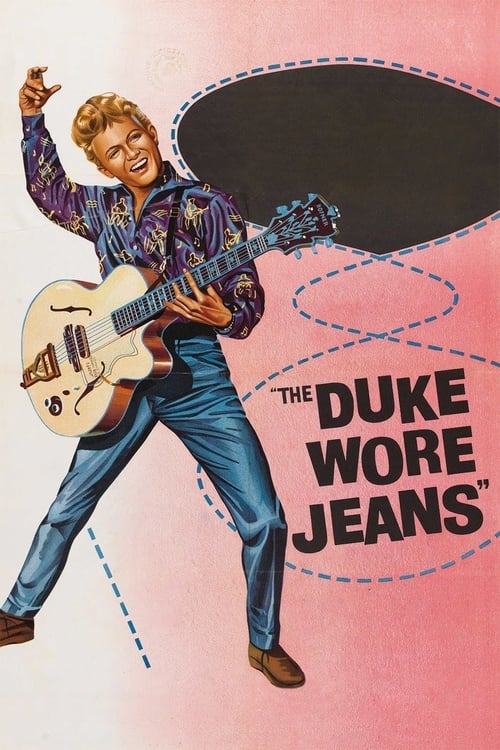
The Duke Wore Jeans
1958
No user ratings available yet
Representation score: 2.0 out of 10
No Poster Available
Representation Score
Limited
1956
BtlDirector
Daniel Birt
Runtime
80 minutes
Average Rating
No ratings yetNew Showbiz Analysis
Laughing in the Sunshine is a typical romance of the mid-1950s, following established cinematic conventions of royal identity and romantic discovery. The plot prioritizes traditional social hierarchies over narrative innovation. The film lacks meaningful representation of diverse identities, focusing instead on a homogeneous Swedish setting and traditional gender roles. While Princess Caroline shows some independence, the overall structure remains rooted in classic class and gender norms. Ultimately, the production reflects the social landscape of its time, offering little disruption to systemic norms or identity-driven ability to act.
Category Breakdown
The film focuses on a traditional romance between a princess and a prince. It does not include any characters with non-traditional gender identities or challenge the assumption that everyone is straight.
Princess Caroline takes control by traveling incognito, but the royal framework still upholds traditional hierarchies. The story does not challenge traditional gender roles or masculine dominance.
Set in Stockholm, the film reflects the homogeneous society of 1956 Sweden. It does not depict any ethnic diversity or cast actors from non-white backgrounds.
The story is set within a mid-20th century European context, emphasizing the monarchy. It upholds traditional Western institutions without critiquing them.
The synopsis does not mention any characters with physical or cognitive disabilities. There are no storylines involving neurodivergence or impairment.
Present on Screen
Limited or Absent
Official Synopsis
Princess Caroline travels incognito to Stockholm and meets the Prince Birger, who also uses a fake name.
1958

1955
1968
1952

1956
1948
1924

1952
No reviews yet. Be the first to share your thoughts on this movie!
Use the rating form above to leave a star rating and optional review.