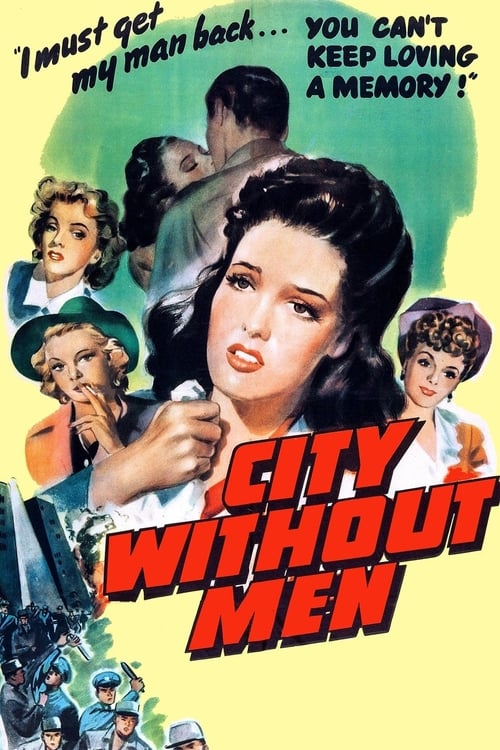
City Without Men
1943
No user ratings available yet
Representation score: 1.4 out of 10
Representation Score
Minimal
1945
PassedDirector
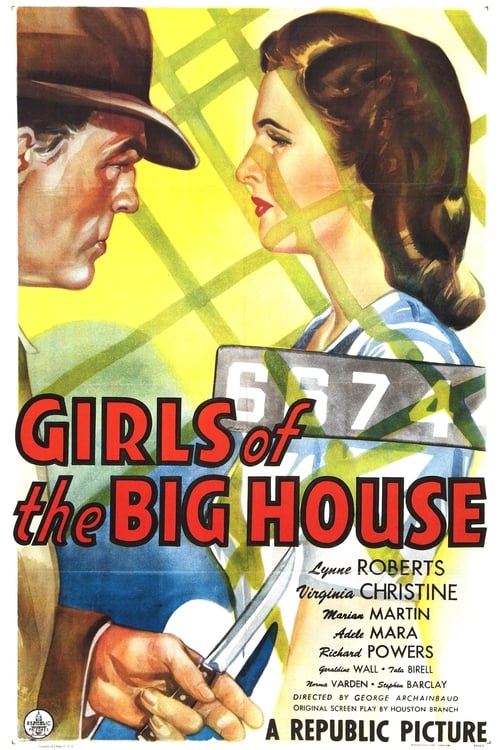
George Archainbaud
Runtime
68 minutes
Average Rating
No ratings yetNew Showbiz Analysis
Girls of the Big House is a conventional mid-century melodrama that follows a standard 'fish out of water' framework. While the setting highlights female characters, the narrative relies on traditional clichés of a victimized woman and a male antagonist. The film lacks complexity or progressive subversion, adhering to the social archetypes and moral structures of the 1940s studio system. Ultimately, it reinforces existing social hierarchies rather than challenging them.
Category Breakdown
The film does not include any representation of LGBTQ+ identities or same-sex relationships. The story likely upholds the assumption that everyone is straight or cisgender.
The female-dominated prison setting provides visibility for women, but the protagonist is portrayed as a vulnerable victim, relying on traditional clichés of female vulnerability.
There is no indication of a diverse cast or non-Anglo-Saxon characters. The production reflects the homogeneous demographic standards common in mid-century studio dramas.
The story contrasts rural innocence with urban corruption, reinforcing Western moral structures and social order.
No information is available regarding the portrayal of physical or neurodivergent disabilities within the film.
Present on Screen
Limited or Absent
Official Synopsis
A women's prison provides the setting for this drama that centers around a naive small-town woman framed by a man whom she met in a nightclub in the big city. She is not welcomed by the inmates and immediately the prisoners are divided.
1943
1958
1940
1950
1994
1949
1958
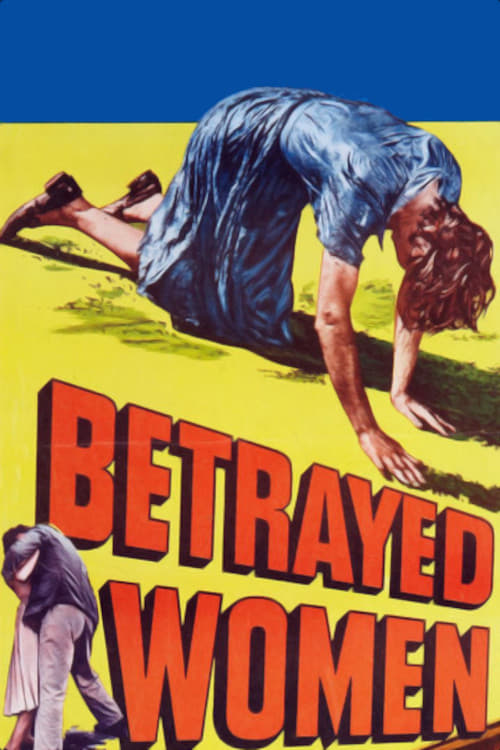
1955
No reviews yet. Be the first to share your thoughts on this movie!
Use the rating form above to leave a star rating and optional review.