
The Useless Life of Pito Perez
1944
No user ratings available yet
Representation score: 7.3 out of 10
No Poster Available
Representation Score
Fair
1948
Director
Alfonso Patiño Gómez
Runtime
84 minutes
Average Rating
No ratings yetNew Showbiz Analysis
Pito Pérez se va de bracero offers a gritty portrayal of the Mexican working class through the eyes of a transient laborer. The film's strength lies in its social realism, focusing on the migrant experience and the struggles of the disenfranchised. While it provides a platform for ethnic identity and class critique, it remains constrained by the era's cinematic conventions. Gender roles are traditional, and there is a notable absence of LGBTQ+ representation. Ultimately, the work serves as a commentary on systemic socioeconomic pressures, prioritizing the perspective of the outsider.
Category Breakdown
The film does not depict any non-binary or LGBTQ+ identities or same-sex relationships. It focuses solely on the socioeconomic journey of a transient male character.
Female characters play secondary or supporting roles within a traditional mid-century structure. They do not have prominent roles or challenge traditional gender hierarchies.
The story centers on the Mexican working class and the experiences of migrants. By focusing on a bracero, the film highlights the lives of underrepresented ethnic communities.
The film explores anti-capitalist themes and the perspective of a systemic outsider. It critiques formal institutions like state borders and labor systems through its protagonist.
The protagonist's chronic alcoholism may reflect systemic neglect. However, it is unclear if the film avoids common tragic clichés regarding substance use.
Present on Screen
Limited or Absent
Official Synopsis
Alcoholic hobo drifts across the border and has a series of random adventures.
1944

1974
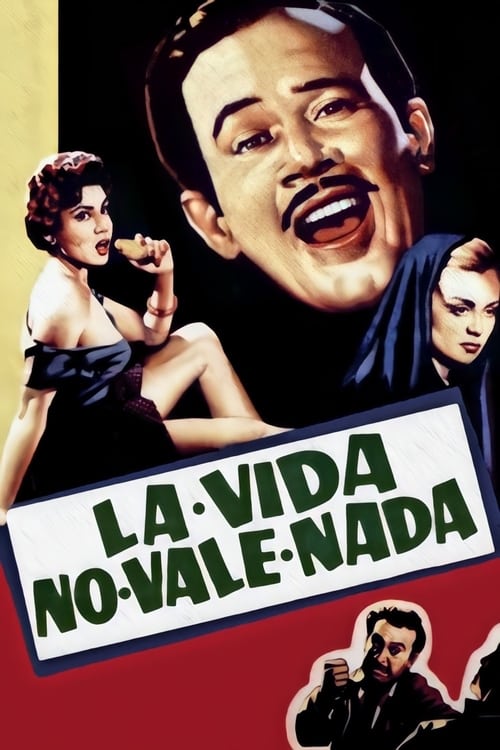
1955
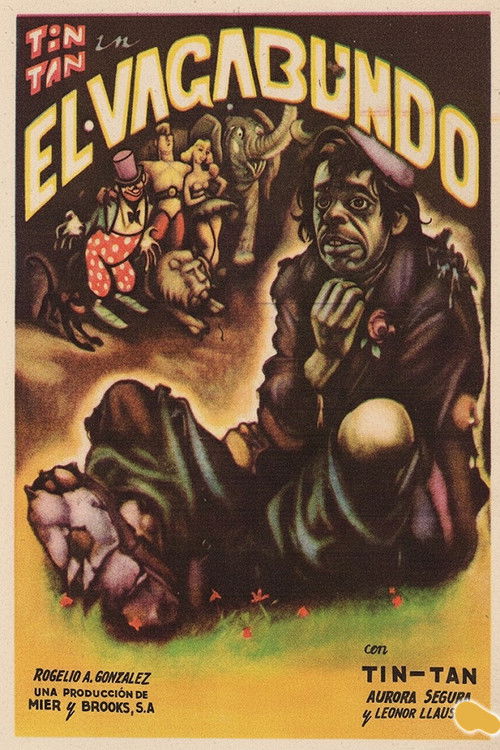
1953
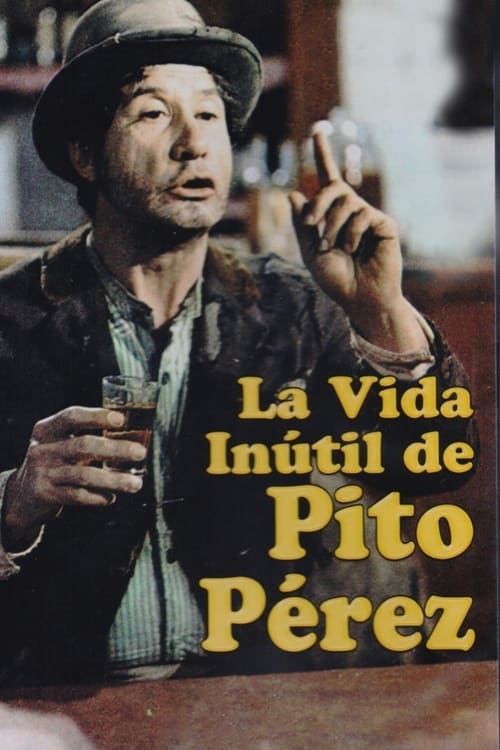
1970
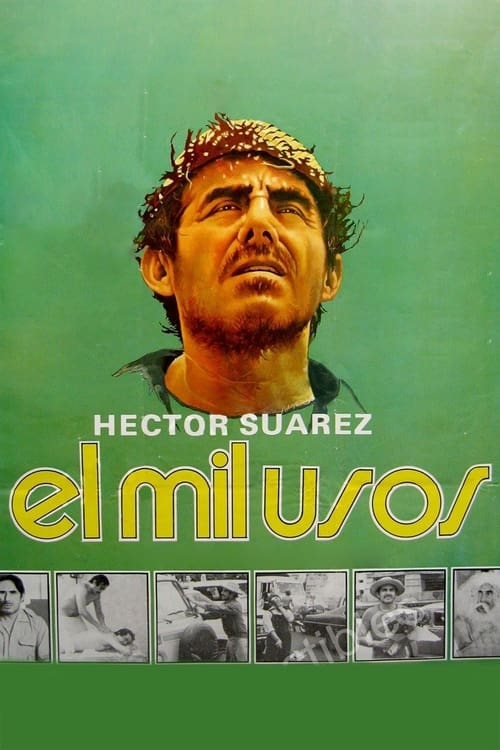
1981
1959
1966
No reviews yet. Be the first to share your thoughts on this movie!
Use the rating form above to leave a star rating and optional review.