A Taste of Blood
1967
No user ratings available yet
Representation score: 0.4 out of 10
Representation Score
Limited
1980
RDirector
Domonic Paris
Runtime
86 minutes
Average Rating
No ratings yetNew Showbiz Analysis
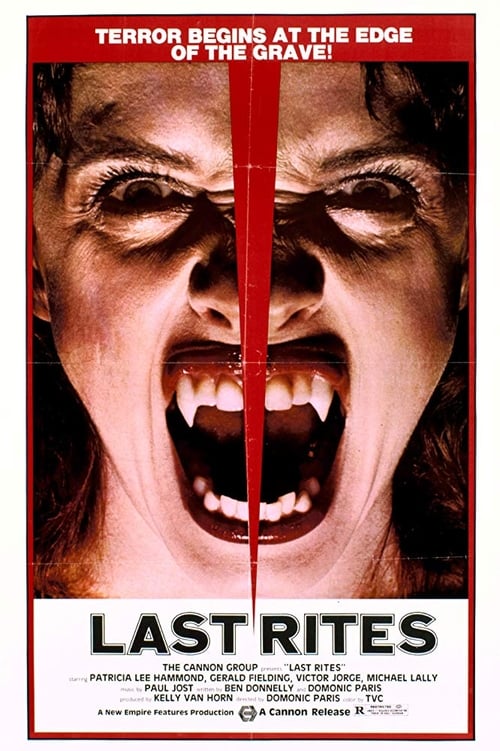
Last Rites serves primarily as a critique of systemic corruption rather than a study in demographic inclusion. Its strength lies in subverting the perceived sanctity of civic authority, turning community protectors into predators. This deconstruction of institutional power adds a sophisticated layer of social commentary. However, the film remains anchored in the traditional clichés of early 1980s genre cinema. The cast is dominated by a masculine triad of authority figures, leaving little room for diverse gender, racial, or LGBTQ+ representation. The absence of overlapping identities limits the social impact. Ultimately, the film is a study of moral relativism within a homogeneous framework. It challenges the sanctity of Western institutions while failing to engage with a broader spectrum of human identity.
Category Breakdown
The film does not include any openly LGBTQ+ characters or same-sex relationships. A hidden community exists off-screen, but there are no clear identifiers for LGBTQ+ individuals.
The story revolves around a group of male authority figures such as a doctor, sheriff, and funeral director. There are no high-profile female characters or gender subversion.
The small-town setting suggests a homogenous cast typical of 1980s horror films. There is no multi-ethnic casting or intentional demographic blending.
The film sharply criticizes Western institutions, portraying pillars of society like medicine and law enforcement as predatory agents of systemic corruption.
There are no characters with visible or invisible disabilities. The narrative does not address neurodivergent ability to act or disability as a plot device.
Present on Screen
Limited or Absent
Official Synopsis
A small-town funeral director, doctor and sheriff are vampires who suck blood from the recently not-quite-dead on the embalming table and then immediately kill the newly converted vampire. When one of their victims disappears before being staked, they are threatened with being exposed if the new vampire surfaces.
1967

1972

2003
1964
1972

1973

1989

1994
No reviews yet. Be the first to share your thoughts on this movie!
Use the rating form above to leave a star rating and optional review.