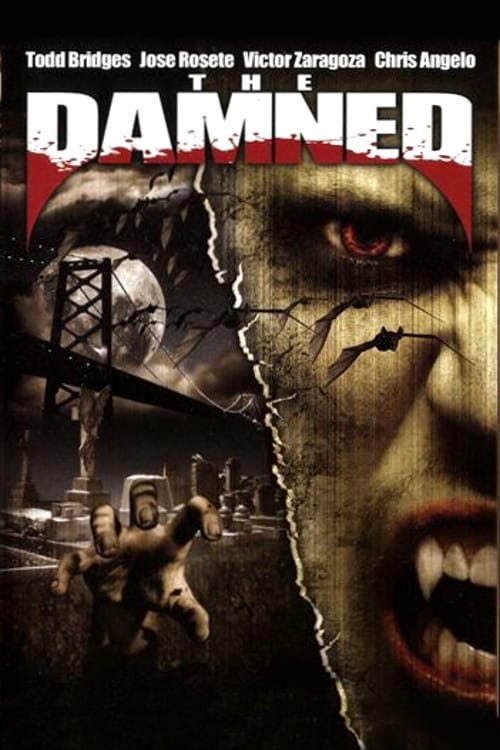
The Damned
2006
No user ratings available yet
Diversity score: 3.6 out of 10

1971
RDirector
Julian More, Robert Hartford-Davis
Runtime
87 minutes
Average Rating
No ratings yetSynopsis
A group of friends search for a young English Oxford student who has disappeared whilst researching in Greece. They are shocked to find that, wherever he has been, certain unsolved murders have taken place. Not believing that their friend could be the perpetrator of such acts, they press on with their search, finding him under the spell of a beautiful Vampire, whose blood-sucking methods include the use of sado-masochism. Believing they have killed her, the group return home, unaware that their friend is now a Vampire.
Overall Score
Limited
Category Breakdown
LGBTQ+ Representation
The film utilizes sado-masochism as a central plot device. While exploring intense physical and psychological intimacy, it lacks specific LGBTQ+ identities or a critique of heteronormativity.
Gender Representation
The female vampire subverts the damsel in distress trope by wielding significant power and agency. However, the male characters largely adhere to traditional masculine archetypes of the era.
Racial & Ethnic Diversity
The setting in Greece serves as a backdrop, but the narrative remains centered on Western European perspectives. There is little evidence of a diverse or non-Anglo-Saxon cast.
Religious & Cultural Diversity
The story explores moral ambiguity and the breakdown of social order through obsession. It does not explicitly challenge Western institutions or promote systemic secularist frameworks.
Disability Representation
There is no evidence regarding the portrayal of physical or neurodivergent disabilities in this production.
Strengths
Areas for Improvement
AI Analysis
Blood Suckers is a genre-driven horror film that prioritizes transgressive tropes over intersectional representation. While it offers some subversion of gendered power dynamics through its central antagonist, the narrative remains tethered to the demographic frameworks of 1970s cinema. The film's focus on an English Oxford student in Greece suggests a narrow Western European perspective. It lacks intentionality regarding racial blending or the inclusion of diverse identities. Ultimately, the work functions as an exploration of eroticized horror and moral relativism rather than a vehicle for social or cultural critique.
2006
2002

1995

1997
2005
2015
1973
1993
2015
1962
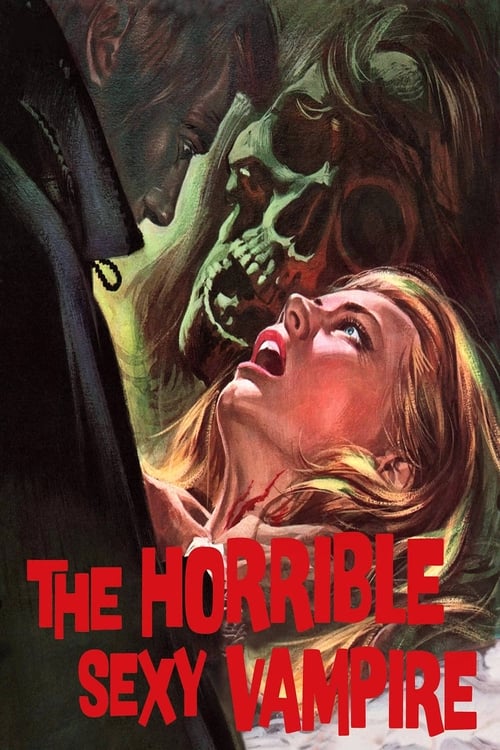
1971
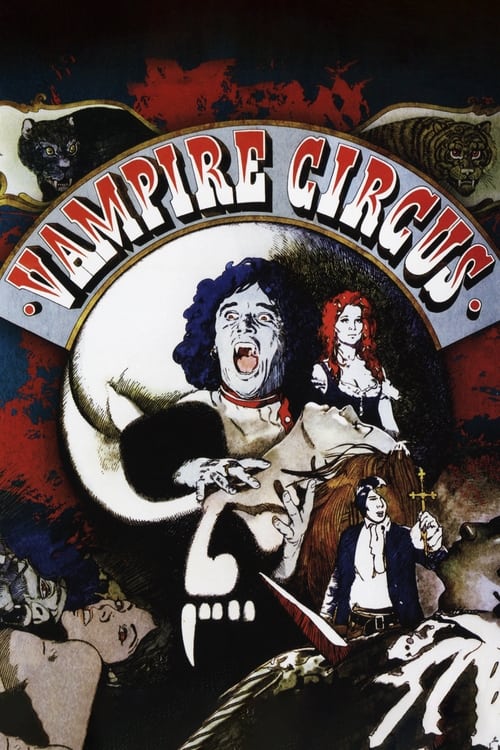
1972
No reviews yet. Be the first to share your thoughts on this movie!
Use the rating form above to leave a star rating and optional review.