Miss Lovely
2014
No user ratings available yet
Representation score: 9.7 out of 10
Representation Score
Good
1999
Director
Dev Benegal
Runtime
103 minutes
Average Rating
No ratings yetNew Showbiz Analysis
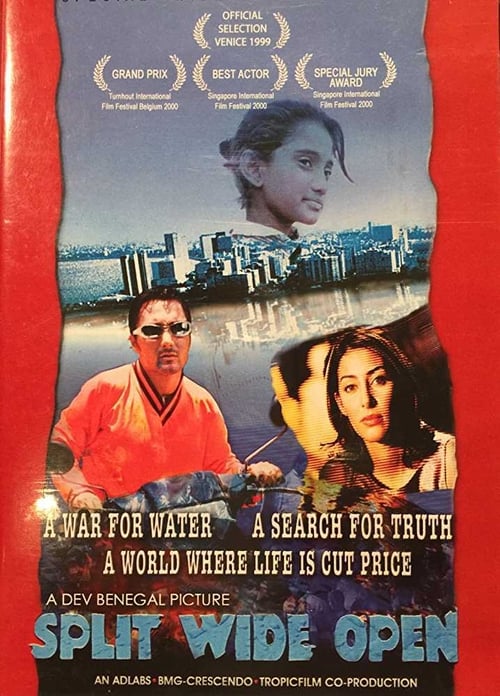
Dev Benegal’s work stands out for its commitment to urban realism and social critique. By moving away from mainstream Bollywood structures, the film provides a gritty, authentic look at the complexities of life in Mumbai. The film excels in its cultural grounding and racial authenticity. It centers the South Asian experience, allowing local characters to drive the plot through their own specific socio-economic contexts. However, the film's focus remains somewhat narrow regarding specific identity-based representation. While it explores modern social themes, it lacks explicit centering of LGBTQ+ identities or disability representation.
Category Breakdown
The film explores modern sexual behaviors within an urban setting. However, it lacks prominent LGBTQ+ characters or narratives that challenge common assumptions about straight relationships.
Women are shown taking active roles in navigating Mumbai's underworld and social changes. The film avoids traditional domestic roles, focusing instead on survival in a rapidly changing city environment.
The cast offers an authentic South Asian representation of Mumbai. By focusing on local socio-economic issues, the film avoids a Western perspective.
The narrative engages with post-colonial themes and systemic struggles like the water mafia. It favors a modern ethical framework over traditional moral values.
There is no significant evidence regarding the portrayal of physical or neurodivergent disabilities in this work.
Present on Screen
Limited or Absent
Official Synopsis
A search for a lost street girl in midst of exposés of modern sexual behaviour in Bombay and a water mafia in the city, this is a real 'split wide open' of the Indian glamour capital.
2014
1995

2003

1986

2019
1987

2004
1983
No reviews yet. Be the first to share your thoughts on this movie!
Use the rating form above to leave a star rating and optional review.