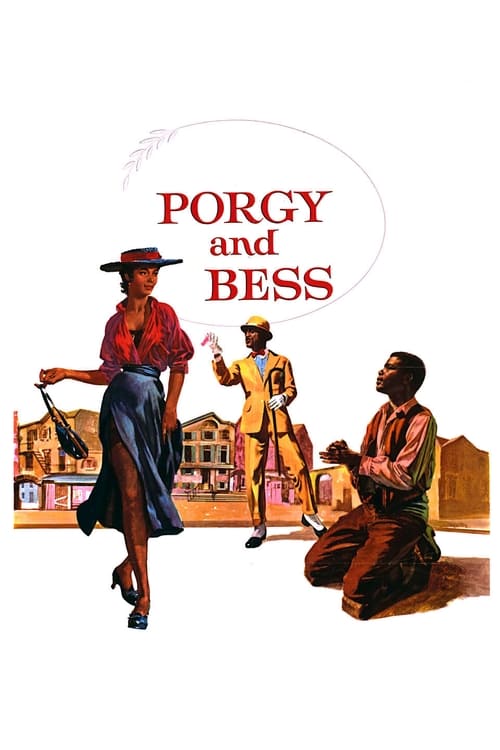
Porgy and Bess
1959
No user ratings available yet
Representation score: 6.0 out of 10

Representation Score
Fair
2005
Director
Mark Dornford-May
Runtime
122 minutes
Average Rating
No ratings yetNew Showbiz Analysis
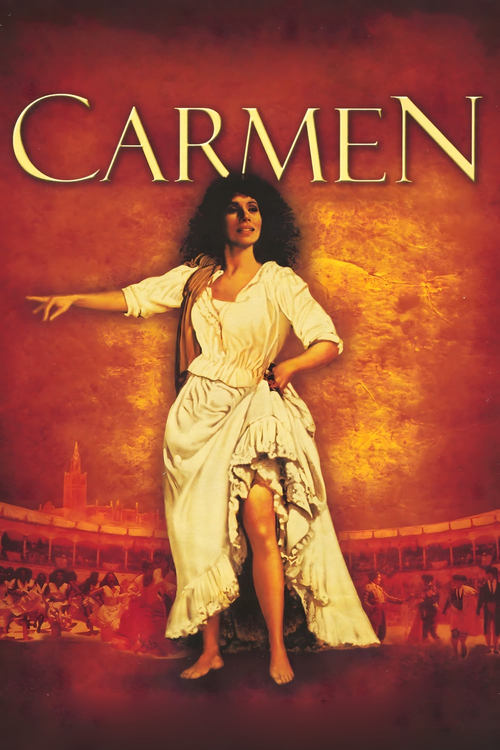
U-Carmen eKhayelitsha is a bold reinterpretation of the Western operatic tradition. By relocating Bizet's work to a contemporary South African township, the film challenges the dominance of Eurocentric narratives. The film excels in its radical racial and cultural recontextualization. Utilizing a Black South African cast and local musical elements, it reclaims a high-art form for a underrepresented community, effectively subverting historical norms. While the film lacks LGBTQ+ or disability representation, its impact on racial ability to act is profound. It transforms a classic tragedy into a localized exploration of autonomy and systemic realities.
Category Breakdown
The film follows traditional heterosexual storylines and does not include any non-binary gender identities or same-sex relationships.
Carmen stands out as a strong female lead who defies traditional feminine roles. The story also highlights the negative impacts of toxic masculinity through the character of Don José.
By featuring an entirely Black South African cast, the film brings a Western classic to life in a modern township context. This casting choice emphasizes the ability to act of characters of color within a prestigious genre.
The production replaces Western orchestration with local choral and percussion arrangements, emphasizing authentic township life over the traditional Western perspective.
There is no significant evidence regarding the portrayal of visible or invisible disabilities in this production.
Present on Screen
Limited or Absent
Official Synopsis
U-CARMEN is a feature film based on Georges Bizet's 19th-century opera that was filmed on location in a modern South African township setting. The energy, compassion, and heat of township life in all its elements create a constantly visually interesting and dynamic background for the unfolding of the story, which owes part of its huge popularity to the thrilling combination of a violent gangster tale with a passionate, almost supernatural love story. As it unfolds, it explores issues of fame and wealth, the position of a strong and independently minded woman in a very masculine society and, perhaps most importantly, the incomprehensible attraction between abuser and victim. Bizet's opera, based on Prosper Merimée's novel, premiered in Paris on March 3, 1875. Set in a poor area of Seville, the story of the magnetic woman who seduces, loves, and ultimately destroys her lover and herself...
1959
1952
1958

1959
1984
1991
1972

1993
No reviews yet. Be the first to share your thoughts on this movie!
Use the rating form above to leave a star rating and optional review.