Three Husbands
1950
No user ratings available yet
Diversity score: 3.2 out of 10
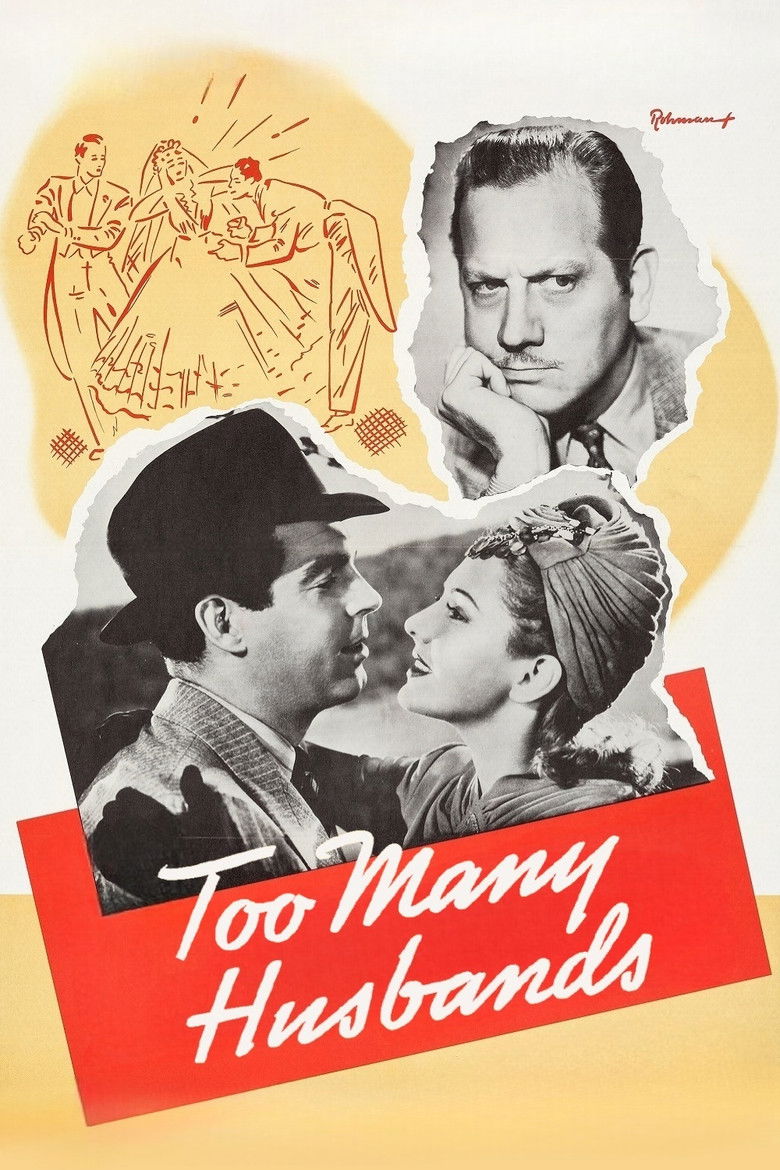
1940
ApprovedDirector
Wesley Ruggles
Runtime
81 minutes
Average Rating
No ratings yetSynopsis
Long-missing Bill Cardew returns to find his wife Vicky remarried...and in no hurry to settle for just one husband.
Overall Score
Limited
Category Breakdown
LGBTQ+ Representation
The film adheres to the strict heteronormative standards of the 1940s studio system. There is no depiction of same-sex intimacy or non-cisnormative identities.
Gender Representation
Vicky serves as a highly autonomous protagonist who drives the comedic chaos. Her wit and agency disrupt traditional mid-century gender hierarchies and patriarchal stability.
Racial & Ethnic Diversity
The cast and setting are overwhelmingly homogeneous. The narrative focuses exclusively on a white, upper-class social stratum with no ethnic diversity.
Religious & Cultural Diversity
The story celebrates Western high-society structures and traditional social etiquette. It operates within a conventional moral framework centered on romantic resolution.
Disability Representation
There are no depictions of physical, sensory, or neurodivergent identities in the film.
Strengths
Areas for Improvement
AI Analysis
Too Many Husbands is a period-specific screwball comedy that finds its strength in subverting gender roles rather than expanding social visibility. While the female lead displays significant intellectual dominance and agency, the film remains deeply entrenched in the era's social limitations. The narrative lacks any meaningful representation of racial, ethnic, or LGBTQ+ identities, reflecting the homogeneous high-society settings common in 1940s cinema. This narrow focus on a white, wealthy elite prevents a broader cultural impact. Ultimately, the film offers a progressive look at female autonomy within a very traditional and restrictive social framework. It succeeds as a character study of agency but fails to provide intersectional breadth.
1950
1944
1938
1951
1950

1963
1932

1931
1940
1937
1940
1941
No reviews yet. Be the first to share your thoughts on this movie!
Use the rating form above to leave a star rating and optional review.