
Plenty
1985
No user ratings available yet
Representation score: 5.7 out of 10
Representation Score
Fair
1984
PG-13Director
John Byrum
Runtime
129 minutes
Average Rating
No ratings yetNew Showbiz Analysis
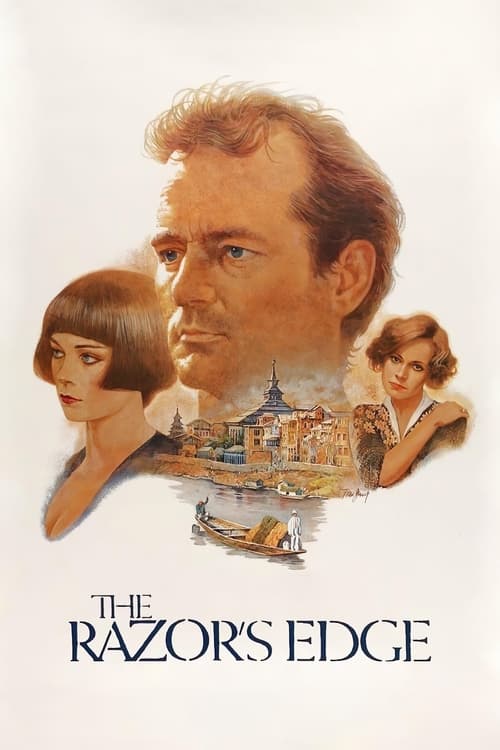
The Razor's Edge serves as a sophisticated critique of the traditional Western life path. It replaces the standard materialist hero's journey with a process of spiritual deconstruction, prioritizing individual truth over institutional dogma. The film's strength lies in its refusal to validate the standard Western success model, instead emphasizing subjective discovery. However, the film remains limited by a Western-centric cast and a lack of LGBTQ+ representation.
Category Breakdown
The film does not include any explicit LGBTQ+ characters or identities that challenge the assumption that everyone is straight or cisgender. The main conflict revolves around the protagonist's detachment from societal norms rather than focusing on queer representation.
The story disrupts traditional gender roles by centering a man who rejects the typical patriarchal roles of wealth and domesticity. Female characters are shown adhering to social norms, which the film views as limiting.
The film shifts its setting from Eurocentric Paris to the diverse landscapes of India and the Himalayas. Despite a predominantly Western cast, Eastern spiritual practices are given significant importance and intellectual weight.
The film highlights Eastern spiritualism over traditional Christian morality. It criticizes Western institutionalism, presenting capitalism and social hierarchy as restrictive structures that must be overcome.
There is no significant depiction of physical or neurodivergent disabilities that impact the narrative.
Present on Screen
Limited or Absent
Official Synopsis
An American WWI veteran undertakes a spiritual quest that takes him from Paris to Nepal to the Himalayas and back to his hometown. Upon his return, he discovers he is not the only one who has changed.
1985
1972

1962
1972
1977
1946

2008
1992
No reviews yet. Be the first to share your thoughts on this movie!
Use the rating form above to leave a star rating and optional review.