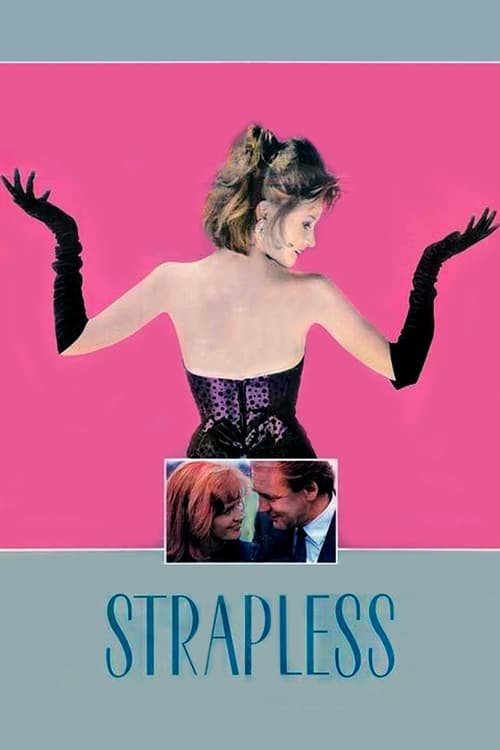
Strapless
1989
No user ratings available yet
Representation score: 4.1 out of 10

Representation Score
Fair
1985
RDirector
Fred Schepisi
Runtime
124 minutes
Average Rating
No ratings yetNew Showbiz Analysis
Plenty is a character study that prioritizes the deconstruction of social and gendered expectations over demographic breadth. It succeeds in challenging traditional gender hierarchies by focusing on a woman's pursuit of autonomy. However, the film's impact is limited by a lack of racial and LGBTQ+ intersectionality. The narrative remains confined to a specific, homogeneous social stratum of the British upper-middle class. Ultimately, the film is most effective when it challenges the correctness of Western social decorum, framing the protagonist's search for identity as a rebellion against a restrictive status quo.
Category Breakdown
The film follows a traditional framework that assumes everyone is straight and cisgender. It does not include narratives or identities that challenge the idea that everyone is straight.
Susan actively seeks autonomy and emotional independence, challenging the patriarchal expectations of early 20th-century British society. The film emphasizes female desire and intellectual independence rather than domestic passivity.
The cast is predominantly white and reflects the socioeconomic context of the British upper-middle class. There is a lack of racial or ethnic diversity among the main characters.
The narrative critiques the rigid class system and restrictive social mores of the landed gentry. It portrays traditional social structures as oppressive and stifling.
There is no significant focus on physical or neurodivergent disabilities. The film conveys its themes through emotional and psychological isolation.
Present on Screen
Limited or Absent
Official Synopsis
David Hare's account of a one-time French freedom fighter who gradually realizes that her post-war life is not meeting her expectations.
1989

1984
1981
1970
1986

1996

1988

1984
No reviews yet. Be the first to share your thoughts on this movie!
Use the rating form above to leave a star rating and optional review.