
The Last King of Scotland
2006
No user ratings available yet
Representation score: 3.7 out of 10
Representation Score
Fair
1992
PG-13Director
Roland Joffé
Runtime
132 minutes
Average Rating
No ratings yetNew Showbiz Analysis
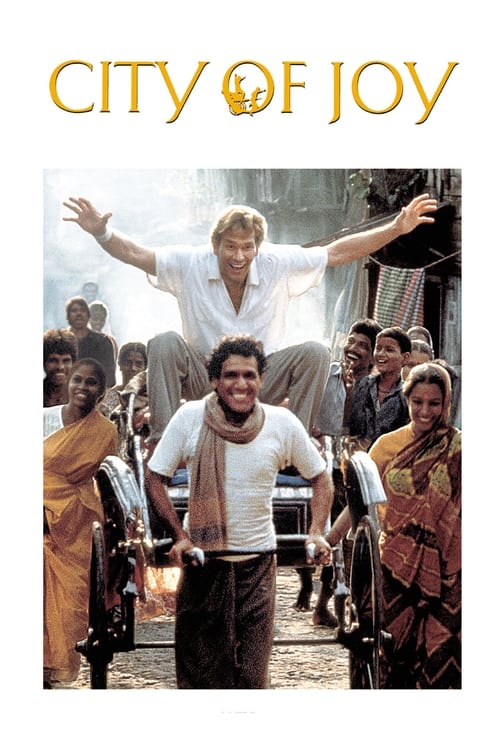
City of Joy succeeds in its commitment to non-Western casting and its critique of capitalist structures. By immersing viewers in the social fabric of Calcutta, it presents a complex, lived reality. However, the film is constrained by its reliance on traditional romantic clichés from the 1990s. The narrative remains centered on a Western protagonist's perspective, often depicting local characters through a savior dynamic rather than full autonomy. Ultimately, while the film offers a humanitarian-focused morality, its adherence to traditional gender hierarchies and the Western viewpoint prevents a higher diversity score.
Category Breakdown
The film follows a traditional storyline focused on a heterosexual relationship between the main character and a local woman. There are no characters with non-binary or transgender identities.
Gita provides significant emotional depth and serves as a moral guide. However, the narrative centers around the male protagonist's journey, and women's ability to drive the story is framed through his perspective.
The film avoids typical tourist stereotypes by featuring an Indian female lead and local actors. Despite this, the plot is still influenced by the experiences of an American character.
The narrative critiques Western institutions and capitalist expansion by emphasizing community dignity over economic models. It effectively portrays the systemic issues faced by street children in Calcutta.
The film focuses on class-based struggles and does not highlight characters with physical or neurodivergent conditions. It does not center characters with disabilities as agents of their own stories.
Present on Screen
Limited or Absent
Official Synopsis
Max Lowe is a Houston surgeon who has grown weary of the bureaucracy of American medicine. When he loses a patient on the operating table, Max impulsively decides to leave America and travel to India in the hope of finding himself. Not long after he arrives in Calcutta, Max is attacked by a group of thugs and left without money or a passport.
2006

2007
2017

2017

1994
1996

2016
1965
No reviews yet. Be the first to share your thoughts on this movie!
Use the rating form above to leave a star rating and optional review.