Tales of the Brothers Quay
1987
No user ratings available yet
Representation score: 2.4 out of 10
Representation Score
Fair
1972
Director
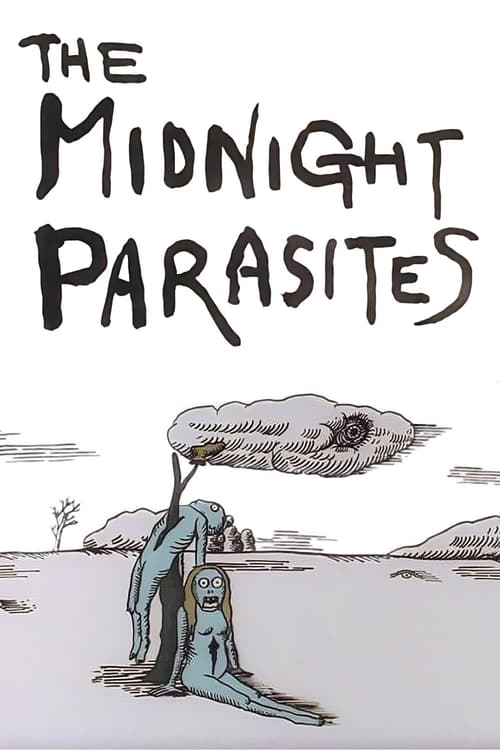
Yôji Kuri
Runtime
10 minutes
Average Rating
No ratings yetNew Showbiz Analysis
Yôji Kuri’s work serves as an avant-garde critique of existence rather than a social drama. Its strength lies in using surrealism to dismantle traditional power hierarchies by subverting the human position within the natural order. The film rejects a structured, moralistic universe, aligning itself with postmodern critiques of institutional values. However, this focus on biological cycles means it lacks the character-driven depth needed to address specific social identities. Ultimately, the film's diversity is found in its philosophical disruption of human exceptionalism rather than in the representation of specific human demographics.
Category Breakdown
The film centers on biological and existential horror involving non-human entities. There are no visible LGBTQ+ characters or narratives that address the assumption that everyone is straight or cisgender.
The story emphasizes an ecological struggle over interpersonal gender dynamics. While it avoids traditional patriarchal hierarchies, it lacks character-driven ability to act to challenge gender roles.
This Japanese animation operates outside Western-centric casting norms. Parasitic metaphors deconstruct human exceptionalism and disrupt traditional anthropocentric views.
The work challenges singular, benevolent morality through a grotesque parable. It critiques systemic hierarchies by framing existence as an indifferent, eternal cycle of life and death.
There is no information available regarding the portrayal of physical or neurodivergent disabilities.
Present on Screen
Limited or Absent
Official Synopsis
A night when parasites of various green forms devour humans. A cruel food chain that never ceases, and an eternal repetition of life and death. A grotesque and strange parable drawn by Yoji Kuri. Isao Tomita's synthesizer music echoes quietly and eerily.
1987
1988
2004
1989
2012

1969
1990

1974
No reviews yet. Be the first to share your thoughts on this movie!
Use the rating form above to leave a star rating and optional review.