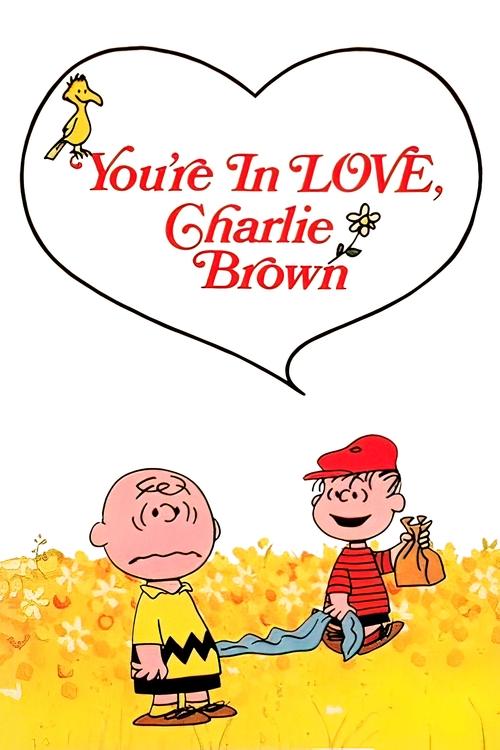
You're in Love, Charlie Brown
1967
No user ratings available yet
Representation score: 1.6 out of 10
Representation Score
Limited
1973
GDirector
Bill Melendez
Runtime
25 minutes
Average Rating
No ratings yetNew Showbiz Analysis
This production is a faithful adaptation of mid-century American literature, emphasizing a consistent tone over social critique. It reinforces traditional domestic and social norms rather than challenging them. The narrative is constructed within a homogeneous cultural framework. While it captures the existential melancholy of childhood, it lacks the layered complexity or deliberate subversion of hierarchies found in contemporary works. Ultimately, the film reflects its era, focusing on universal childhood anxieties within a traditional and narrow social context.
Category Breakdown
The film adheres to a framework typical of 1970s children's programming, which assumes everyone is straight and cisgender. There are no hints of LGBTQ+ identities or non-traditional gender roles.
Female characters such as Lucy and Sally have strong personalities and speak up confidently. However, they fit into traditional gender roles and social structures.
The cast is made up of a homogeneous group representing a mid-century American setting. There is no racial or ethnic diversity in the story.
The story revolves around traditional Western customs tied to seasons. It does not question or critique Western institutions or religious practices.
The film explores themes of social isolation and psychological vulnerability through the character of Charlie Brown. These themes are presented as existential traits rather than specific disabilities.
Present on Screen
Limited or Absent
Official Synopsis
Charlie Brown's last chance to salvage his grades seems doomed when he confuses a supermarket for an art gallery he has to do a paper on.
1967
1969
1969

1977
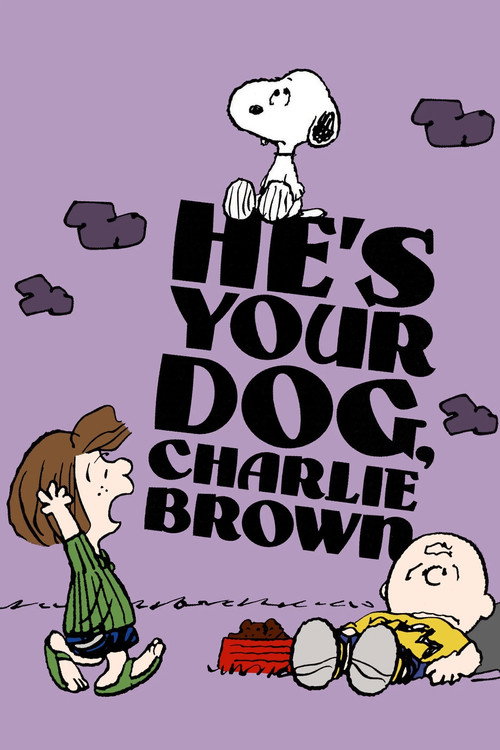
1968
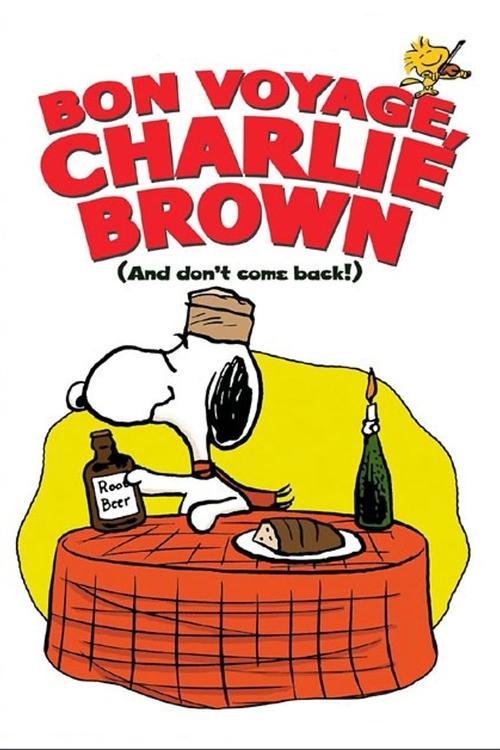
1980
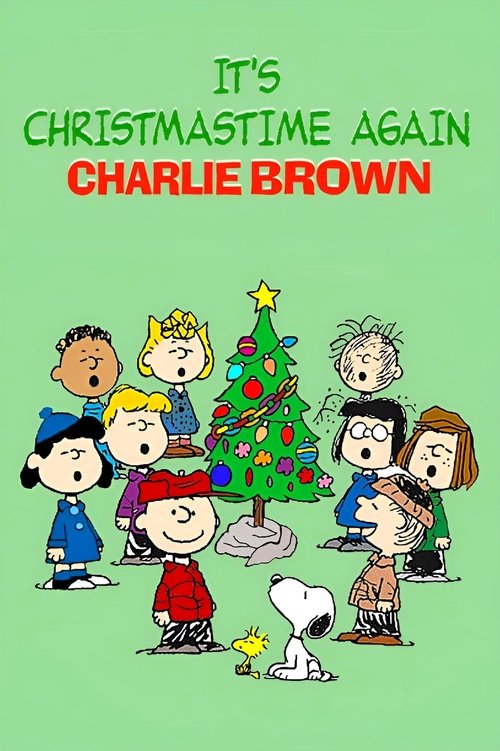
1992
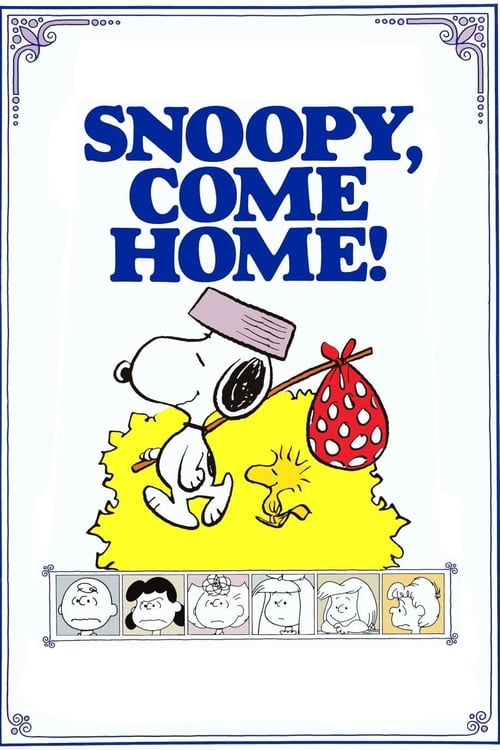
1972
No reviews yet. Be the first to share your thoughts on this movie!
Use the rating form above to leave a star rating and optional review.