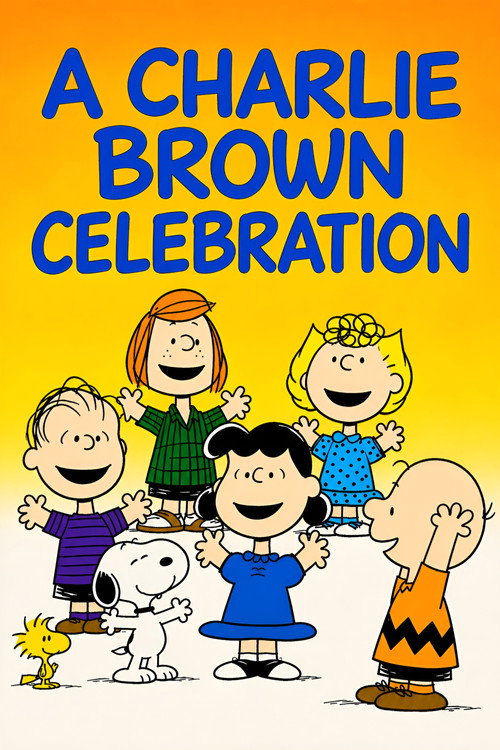
A Charlie Brown Celebration
1982
No user ratings available yet
Representation score: 5.3 out of 10

Representation Score
Limited
1972
Not RatedDirector
Bill Melendez
Runtime
24 minutes
Average Rating
No ratings yetNew Showbiz Analysis
This production accurately reflects mid-century American animation, emphasizing established character clichés and traditional social dynamics. It focuses on the interpersonal conflicts and personal failures typical of the era, rather than challenging contemporary social hierarchies. The film maintains a traditional approach to world-building, presenting characters with distinct psychological traits framed as universal rather than multi-layered. The work lacks the intentionality needed to provide meaningful representation or disrupt conventional expectations.
Category Breakdown
The film does not include any LGBTQ+ characters or explore non-straight relationships. The social interactions revolve around a traditional peer group without any queer undertones.
Lucy van Pelt shows strong leadership and dominance through her campaign management role. However, these traits are tied to traditional 1970s gender roles and comedic stereotypes.
The cast is predominantly white and homogeneous, reflecting the era's animation standards. There is no characters who reflect more than one aspect of diversity of diverse racial or ethnic backgrounds.
Linus’s obsession with the Great Pumpkin is presented as a quirky trait rather than a critique of religion. The narrative upholds traditional social structures and norms.
The film does not feature any characters with physical or neurodivergent disabilities. Vulnerabilities such as social anxiety are portrayed as universal traits within the franchise.
Present on Screen
Limited or Absent
Official Synopsis
With the school election looming, Linus is talked into running for school president. With Lucy and Charlie Brown as his campaign manager and Snoopy and Woodstock assisting, he stands a decent chance of victory. Soon however, he makes unrealistic promises and learns the hard way that preaching about the Great Pumpkin can not be considered a sound campaign strategy.
1982

1977
1966
1969
1978
1980
1992
1972
No reviews yet. Be the first to share your thoughts on this movie!
Use the rating form above to leave a star rating and optional review.