Winter Sleepers
1997
No user ratings available yet
Representation score: 5.2 out of 10
Representation Score
Fair
2003
Director
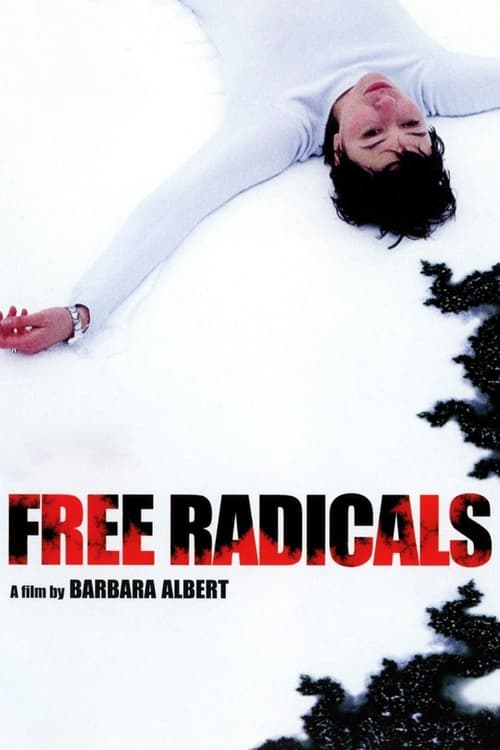
Barbara Albert
Runtime
120 minutes
Average Rating
No ratings yetNew Showbiz Analysis
Barbara Albert’s direction emphasizes a collective, systemic perspective rather than a singular protagonist arc. By weaving together the stories of people connected by a fatal accident, the film deconstructs traditional hero clichés in favor of a messy, communal reality. The film succeeds in challenging the isolation of the individual through its interconnected narrative. It moves away from predictable social orders to explore how a single event disrupts the established social fabric. However, the lack of specific character data makes it difficult to verify the depth of racial or LGBTQ+ representation. The film's strength lies in its thematic complexity rather than explicit demographic diversity.
Category Breakdown
The ensemble structure supports a range of interpersonal dynamics. While specific LGBTQ+ identities aren't detailed, the narrative allows for exploring relationships outside traditional family models.
The film shifts focus from patriarchal structures to survivors, emphasizing women's ability to drive the story and psychological depth within the dramatic context.
The film likely avoids the homogeneous casting typical of mainstream studios. However, the extent of racial diversity remains unconfirmed without a detailed character breakdown.
The narrative disrupts stable social orders by focusing on the aftermath of tragedy. This approach prioritizes situational ethics over singular moral or religious certainties.
There is insufficient evidence to determine if characters are portrayed with visible or invisible disabilities. The film focuses more on psychological trauma and the reality of death.
Present on Screen
Limited or Absent
Official Synopsis
Following the death of Manu (Resetarits) in a car accident, the film relates the interwoven stories of several people who become indirectly connected by the events and aftermath of the crash.
1997

2002
1998

2001
2014

2009

2007

2006
No reviews yet. Be the first to share your thoughts on this movie!
Use the rating form above to leave a star rating and optional review.