Regrets
2009
No user ratings available yet
Representation score: 3.8 out of 10
Representation Score
Good
2007
TV-MADirector
Elizabeth Marre, Olivier Pont
Runtime
15 minutes
Average Rating
No ratings yetNew Showbiz Analysis
Manon on the Asphalt is a character-driven drama that prioritizes subjective experience over traditional hero-centric arcs. It uses a fragmented timeline to explore human fragility and the aftermath of a traumatic event. The film succeeds in centering a female perspective, allowing the protagonist to dictate the narrative flow through memory. However, the representation remains limited by a lack of visible diversity and a reliance on conventional romantic structures. While the film avoids standard heroic clichés, it lacks specific evidence of diverse racial or LGBTQ+ identities, resulting in a score that reflects a narrow, though deeply personal, social scope.
Category Breakdown
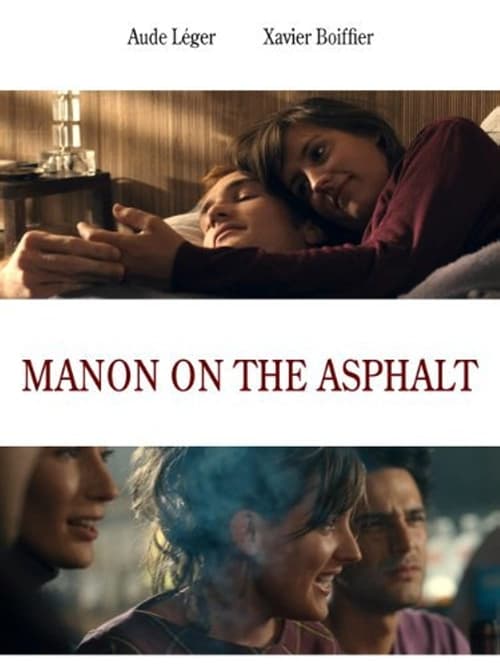
The film centers on a romantic encounter between Manon and her boyfriend, following traditional romantic clichés. There is no explicit depiction of LGBTQ+ identities or relationships.
Manon serves as the emotional anchor, reclaiming control through her internal monologue. The film disrupts linear progression by centering the female experience through vulnerability and reflection.
The setting appears to be a localized urban environment. There is no verifiable evidence regarding intentional multi-layered casting or the ethnic composition of the ensemble cast.
The story prioritizes subjective morality and collective social dynamics over individual triumphs. It explores how a community reacts to a systemic rupture through a complex, non-linear lens.
The film explores physical trauma and sudden bodily vulnerability. Framing the crisis through Manon’s own consciousness provides her with control despite her physical passivity.
Present on Screen
Limited or Absent
Official Synopsis
On a day in early summer, two young men play squash, a lifeguard watches an indoor pool, a young woman shelves books at a store, another stages a puppet show for children in a park, an older woman cooks, and Manon gets on her bicycle to ride to a rendezvous with her boyfriend. She turns a corner. Something happens. As she lies on the asphalt, a crowd gathers around her and an ambulance arrives; we hear her voice, first confused as to what has happened, then telling us how her friends and her mother will receive word, and how her friends will gather to talk. As images move back and forth in time, she remembers recent events and expresses some small regrets.
2009

2016

2001

2004
1999

2021

2014
2007
No reviews yet. Be the first to share your thoughts on this movie!
Use the rating form above to leave a star rating and optional review.