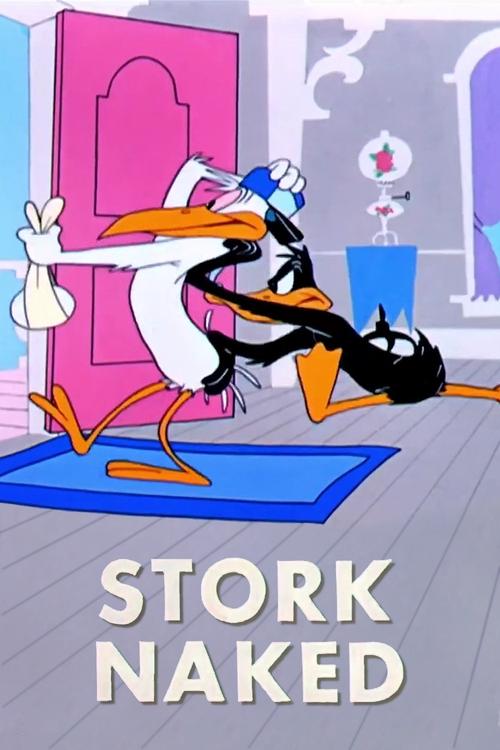
Stork Naked
1955
No user ratings available yet
Representation score: 0.2 out of 10
Representation Score
Minimal
1950
ApprovedDirector
Friz Freleng
Runtime
7 minutes
Average Rating
No ratings yetNew Showbiz Analysis
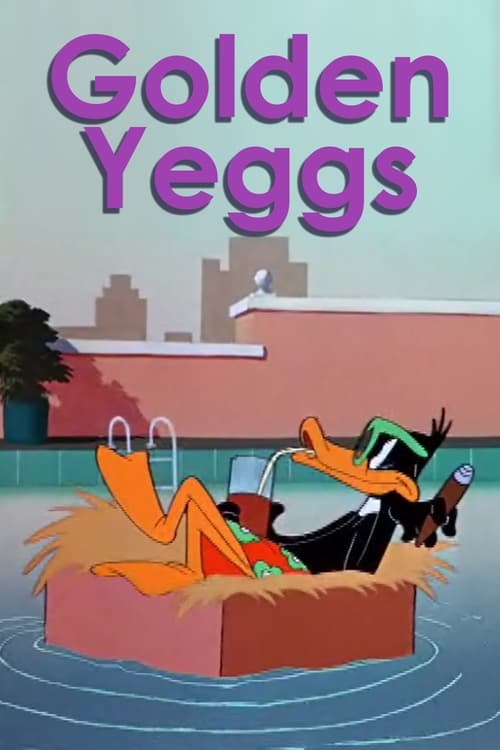
Golden Yeggs is a conventional mid-century animated short that prioritizes slapstick comedy over social exploration. The narrative architecture relies on established character archetypes, such as the opportunist and the criminal, to drive the plot. The film adheres to the standard clichés of the 1950s animation era. It focuses on individual ability to act and comedic misfortune rather than addressing multi-layered identities or systemic power dynamics. Ultimately, the work functions as a character-driven comedy centered on the tension between perceived and actual identity, offering little in the way of progressive social commentary.
Category Breakdown
The film does not depict any non-heterosexual identities or same-sex relationships. It focuses solely on traditional slapstick humor.
The story revolves around male-coded characters like Porky Pig and Daffy Duck. There are no female characters to provide gender diversity or challenge gender norms.
The setting features anthropomorphic animals in a typical Western comedic style. There is no racial or ethnic diversity among the characters.
The plot explores themes of greed and the corruption of fame using traditional storytelling methods. It employs the 'golden egg' cliché to comment on sudden wealth.
The film does not include any characters with visible or invisible disabilities. The narrative does not address neurodivergence or sensory impairments.
Present on Screen
Limited or Absent
Official Synopsis
On Porky Pig's farm, a goose lays a golden egg and says that Daffy Duck laid it. Daffy, now the most sought-after duck in the world, is quite willing to take the credit and resultant fame- until Rocky the gangster kidnaps Daffy and orders him at gunpoint to lay more.
1955
1944
1954
1951
1952
1952
1948
1953
No reviews yet. Be the first to share your thoughts on this movie!
Use the rating form above to leave a star rating and optional review.