The Monk
1972
No user ratings available yet
Representation score: 5.0 out of 10
Representation Score
Limited
1919
Director
Hans Mierendorff
Runtime
53 minutes
Average Rating
No ratings yetNew Showbiz Analysis
The film's diversity is defined by its thematic subversion rather than identity-based representation. While it offers a strong critique of religious institutions and traditional moral purity, it lacks multi-layered depth. Most categories score low due to a lack of visible diversity in race, gender autonomy, and LGBTQ+ identities. The narrative focuses on a homogeneous, folkloric setting that centers on traditional, if corrupted, social roles. Ultimately, the film's strength lies in its cultural skepticism, but it fails to provide meaningful representation for underrepresented groups or diverse identities.
Category Breakdown
The film does not include any queer narratives or non-straight identities. Sexual dynamics revolve around traditional themes of temptation and seduction within a straight-centered context.
Frau Ane plays a central role through her maternal desires, but she is also used as a vessel for supernatural manipulation. The narrative challenges traditional notions of domestic purity by depicting her seduction of the priest.
The story focuses on a homogeneous rural community within a localized European setting. There is no indication of a multi-ethnic or non-Anglo-Saxon cast.
The film critiques Western institutions by showing the corruption of religious authority. It uses the devil to break down established spiritual structures and hierarchies.
There are no identifiable depictions of physical or neurodivergent disabilities within the narrative.
Present on Screen
Limited or Absent
Official Synopsis
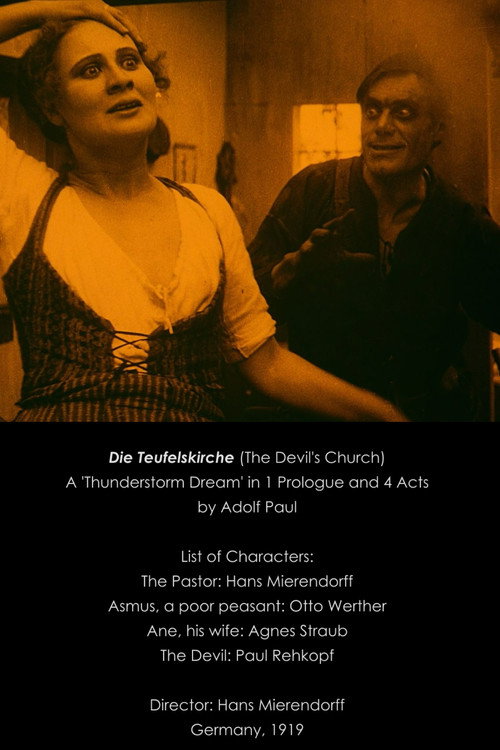
In a prologue and four acts (the prologue and the first act are lost so is necessary to describe what happens with title cards) the film depicts the terrible dream of Asmus wherein the devil joins the human world disguised as a tinker. He meets Frau Ane, Asmus' wife; Ane yearns to have a baby but in vain so the devil takes advantage of Frau Ane's motherly inner desire by making a deal with her but for his own purposes. As a result, the farmer's wife comes under the devil's spell and then seduces the local priest, giving the devil to chance to build his own church to replace the old church that has burned down.
1972
1926
1919
1961
1986
1915
1989
1976
No reviews yet. Be the first to share your thoughts on this movie!
Use the rating form above to leave a star rating and optional review.