
Sapporo Winter Olympics
1972
No user ratings available yet
Representation score: 5.6 out of 10

Representation Score
Fair
1966
Director
Hiroharu Maeda, Tatsuji Yamagishi
Runtime
156 minutes
Average Rating
No ratings yetNew Showbiz Analysis
Sensation of the Century serves as a historical archive of the 1964 Tokyo Olympics rather than a film designed to challenge social structures. It captures a moment of burgeoning globalism through its diverse cast of international athletes. However, the work adheres to the traditional frameworks of the 1960s. It lacks engagement with contemporary progressive themes, such as the deconstruction of gender hierarchies or the exploration of identity politics. The documentary prioritizes athletic spectacle and the celebration of the Olympic movement over any intentional narrative subversion or social commentary.
Category Breakdown
The documentary focuses on athletic competition and international diplomacy. It does not explore any characters or narratives related to non-straight identities.
The film follows mid-1960s sporting conventions. While female athletes appear, the footage emphasizes traditional depictions of gendered athleticism and physical prowess.
The footage showcases a diverse array of international competitors from the 1964 geopolitical landscape. It centers on the universality of sport rather than racial identity.
The film celebrates national achievement and the stability of the international order. It emphasizes institutional excellence and the triumph of human endeavor.
The focus remains strictly on able-bodied elite athleticism. There is no visible representation of neurodivergent individuals or athletes with physical disabilities.
Present on Screen
Limited or Absent
Official Synopsis
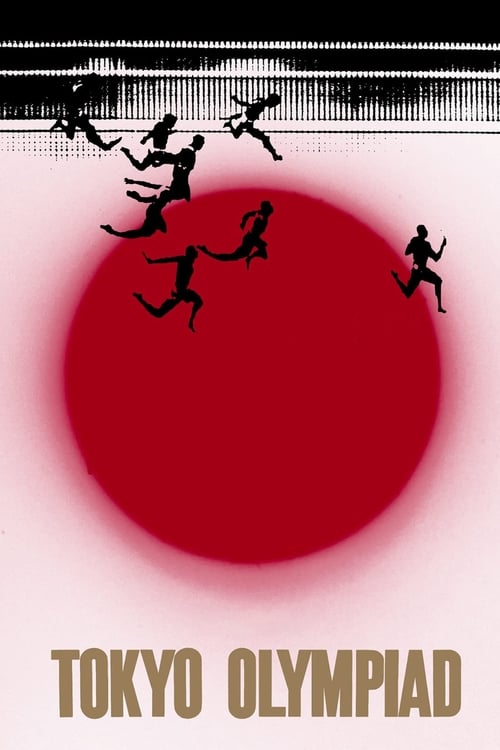
A documentary covering the 1964 Olympic Games in Tokyo. It consists primarily of footage edited from the documentary TOKYO OLYMPIAD, directed by Kon Ichikawa.
1972
1938

1948

1985
1956

2016

1965
1965
No reviews yet. Be the first to share your thoughts on this movie!
Use the rating form above to leave a star rating and optional review.