The Tiniest Place
2011
No user ratings available yet
Representation score: 6.7 out of 10
Representation Score
Good
2015
PGDirector
Samuel Gray Anderson, Lee Isaac Chung
Runtime
79 minutes
Average Rating
No ratings yetNew Showbiz Analysis
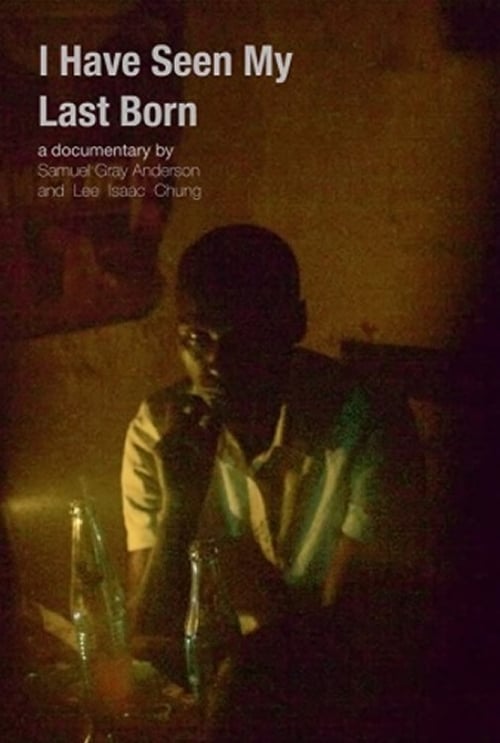
This documentary is a key piece of ethnographic cinema. It avoids treating Rwanda as merely a backdrop for geopolitical analysis, instead focusing on the internal psychological and social navigation of a Rwandan individual. The film succeeds in breaking common documentary clichés by giving the subject a strong role. By focusing on the lived reality of a citizen moving between urban and rural life, it avoids an external, aid-focused lens. However, the narrative structure remains heavily centered on traditional patriarchal roles. The exploration of gender and identity is limited to the male experience of fatherhood and sonship.
Category Breakdown
The film focuses on the domestic and societal transitions of a Rwandan man. There is no explicit evidence of LGBTQ+ characters or stories that challenge the idea that everyone is straight.
The story centers on a man navigating his roles as a father and a son. While the focus is on men, the film looks at how changes in society affect family dynamics.
The documentary provides significant representation by centering a Rwandan perspective. It moves the focus away from Western viewpoints toward an authentic East African experience.
The film explores the tension between traditional village life and modern urban living. It emphasizes local cultural values over a Westernized view of progress.
There is no documented evidence regarding the portrayal of physical or neurodivergent disabilities within the film.
Present on Screen
Limited or Absent
Official Synopsis
'I Have Seen My Last Born' is about Rwanda in transition from its difficult and violent past towards development, seen through the life of a man who juggles the roles of father and a son, between the city and the village.
2011

2016
2018
2014

2021
2012
2013
2019
No reviews yet. Be the first to share your thoughts on this movie!
Use the rating form above to leave a star rating and optional review.