Love Is Love
1990
No user ratings available yet
Representation score: 3.4 out of 10
Representation Score
Limited
1986
Director
Raymond Fung Sai-Hung
Runtime
86 minutes
Average Rating
No ratings yetNew Showbiz Analysis
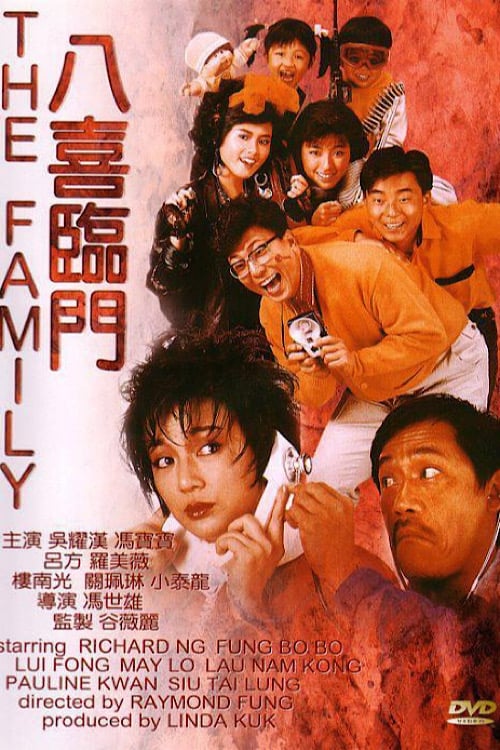
My Family (1986) is a domestic comedy that emphasizes the continuity of the traditional family unit. The plot hinges on recognizable social clichés such as romance and career ambition, avoiding any deconstruction of systemic hierarchies. While the film offers a non-Western cultural perspective, its thematic core remains centered on conventional social structures and heterosexual resolutions. The narrative structure underscores the importance of familial cohesion over radical social change. Ultimately, the film serves as a character-driven ensemble piece that delves into the complex interpersonal dynamics of a modern, evolving family unit.
Category Breakdown
The film centers on heterosexual romantic relationships and traditional courtship. It does not include any non-cisgender identities or same-sex relationships.
Women play significant roles through Mrs. Ng’s pursuit of an acting career. However, much of the story revolves around women reacting to male-driven romantic conflicts.
The film features a culturally specific, non-Western cast. Although the cast is ethnically uniform, it provides a localized perspective that avoids Western-centric norms.
The story examines the tension between individual pursuits and traditional family stability. The climax highlights the preservation of family happiness and social harmony within a cohesive community.
The film does not depict any characters dealing with physical, sensory, or neurodivergent conditions.
Present on Screen
Limited or Absent
Official Synopsis
The Ng family: Doctor Ng, Mrs. Ng, Ng Chee (little daughter), Ng Lei and Ng Choi (son and daughter of Doctor Ng and his ex-wife) went to picnic happily. Hereon, different romances happened between them: First of all, Lei was attracted by Macdonna, a very sexy girl; Chee love little Rambo who saved her from two "teddy' boys; Choi loved her elder cousin who was graduated from a foreign university and had not found a job yet; Ms Ng decided to apply for the post of actress for a drama association. Billy, the director of the drama was the divorced father of little Rambo. He fell in love with Mrs.Ng at the first sight. On the birthday party of Dr. Ng, Lei and Choi discovered that Danny and Macdonna were lovers. They were very disappointed. When the drama was showing, Chee misunderstood that it was real. She rushed on to the stage and accused Billy of taking her mother away. The other family members also ran onto the stage and accused Billy of destroying their family happiness......
1990
1970
2018
1993
1979
1991
2022
1989
No reviews yet. Be the first to share your thoughts on this movie!
Use the rating form above to leave a star rating and optional review.