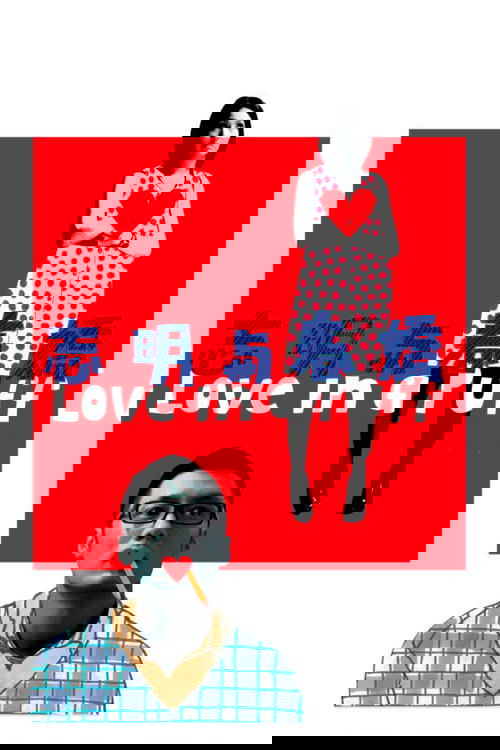
Love in a Puff
2010
No user ratings available yet
Representation score: 6.6 out of 10
Representation Score
Limited
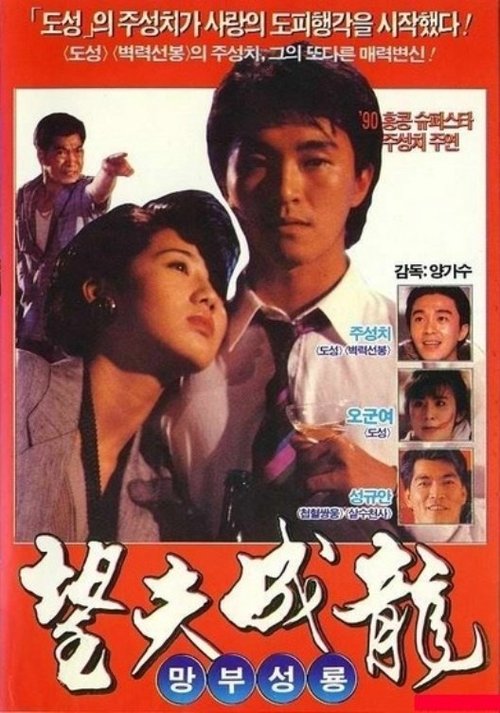
1990
Director
Tommy Leung Ga-Shu
Runtime
95 minutes
Average Rating
No ratings yetNew Showbiz Analysis
Love Is Love operates as a conventional Hong Kong genre piece emphasizing social mobility and romantic conflict. It subtly challenges traditional patriarchal leadership by placing a woman in a position of corporate authority, while maintaining a focus on traditional domesticity. The film's cultural richness lies in its portrayal of the tension between familial disapproval and the pursuit of wealth. Although it offers a non-Western perspective, it does not explore multi-layered or LGBTQ+ identities. Overall, the film is a period-specific romantic drama that navigates the transition from traditional family bonds to the individualistic pressures of the corporate world.
Category Breakdown
The story focuses on a heterosexual elopement and romantic tension between a man and his female employer. It adheres to traditional romantic clichés without delving into non-straight or non-cisgender identities.
A powerful female boss disrupts traditional male-dominated leadership by supporting the protagonist's career growth. However, the central conflict revolves around conventional domestic roles and marital expectations.
The film showcases a predominantly East Asian cast and setting typical of Hong Kong cinema. It emphasizes local social mobility without addressing multi-ethnic or multi-layered themes.
The narrative highlights the clash between traditional family structures and modern capitalist ambitions. It portrays characters dealing with survival and status within an evolving economic environment.
The film does not feature any characters with physical or cognitive disabilities.
Present on Screen
Limited or Absent
Official Synopsis
Shui and Ti elope off, against the wishes of Ti's father. They live the life of a struggling young couple. Shui finds a job at a jewelry importer and his hard work is noticed by the boss lady. As Shui moves up the corporate ladder, the chasm between Shui and Ti starts to widen, and the bond between Suki and Shui tightens.
2010

1996
1993
2004
2001
2015
2005

1988
No reviews yet. Be the first to share your thoughts on this movie!
Use the rating form above to leave a star rating and optional review.