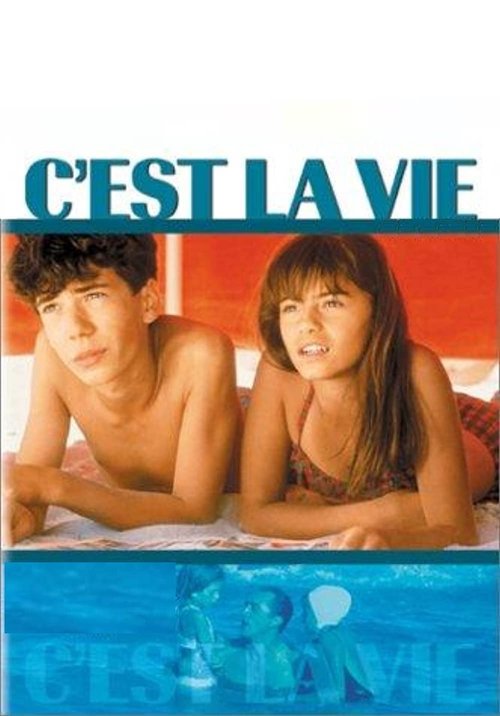
C'est La Vie
1990
No user ratings available yet
Representation score: 3.4 out of 10
Representation Score
Limited
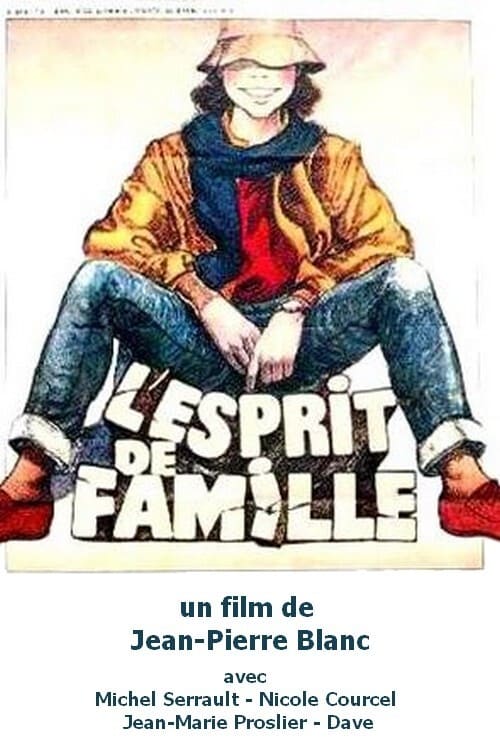
1979
Director
Jean-Pierre Blanc
Runtime
85 minutes
Average Rating
No ratings yetNew Showbiz Analysis
L'Esprit de Famille functions as a conventional domestic character study. While it provides a platform for female perspectives through the various daughters' ambitions, it does not seek to dismantle social hierarchies. The film adheres to the standard social and romantic structures of late-70s European cinema. It prioritizes a stable, traditional family unit over any subversive or diverse social commentary. Ultimately, the work lacks representation of racial, LGBTQ+, or disabled identities, resulting in a narrow social scope.
Category Breakdown
The story centers on heterosexual romance, specifically the bond between Pauline and Pierre. There are no queer narratives or non-binary gender identities present.
The film features a female-dominated household where the four daughters have significant roles in driving the story. However, power dynamics remain tied to a traditional family structure.
The narrative focuses on a homogeneous French family unit. There is no evidence of multi-ethnic casting or diverse racial identities.
The film explores domestic life through traditional social institutions. It lacks any significant secularist or anti-religious themes that challenge moral frameworks.
There is no mention of characters with visible or invisible disabilities within the narrative.
Present on Screen
Limited or Absent
Official Synopsis
Charles Moreau, general practitioner, and Hélène, his wife, have four girls aged 11 to 20 years. The eldest, Claire, plays the piano when she does not let her mind indulge in solitary reverie. Bernadette has a real passion for horses, while Cecile, the youngest, plays from a young age to realize all her whims. As for Pauline, at the age of 17, she decided that she would become a novelist. So she writes a book telling the story of family life. One day, when she comes out of high school, she meets Pierre, a penniless painter, from whom she immediately falls.
1990
1970

1979
1967
1991
1991
1976
2019
No reviews yet. Be the first to share your thoughts on this movie!
Use the rating form above to leave a star rating and optional review.