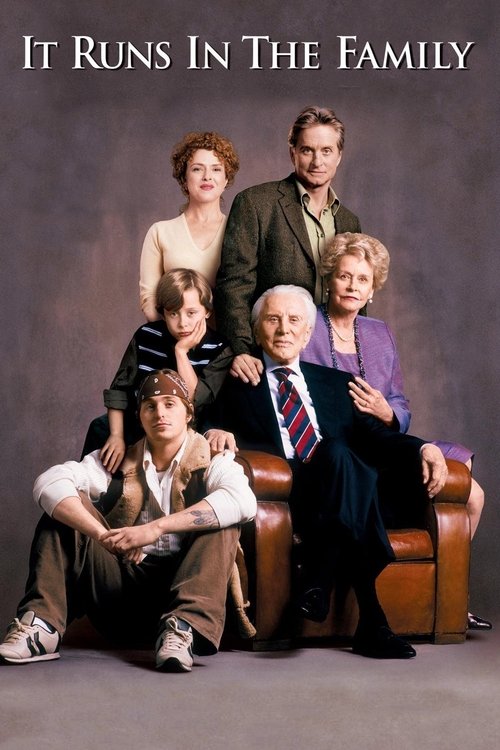
It Runs in the Family
2003
No user ratings available yet
Representation score: 1.1 out of 10
Representation Score
Fair
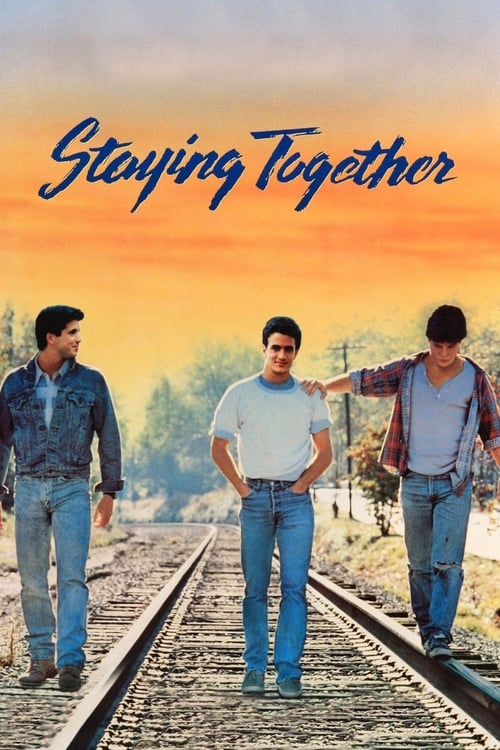
1989
RDirector
Lee Grant
Runtime
91 minutes
Average Rating
No ratings yetNew Showbiz Analysis
Lee Grant's direction brings a sense of social awareness to this comedy-drama. The film shifts away from idealized domesticity, focusing instead on the disruption of patriarchal stability when a family-owned restaurant is sold. This change allows for a deeper exploration of how individuals cope with the loss of a central economic foundation. While the film offers a nuanced critique of traditional institutions and family cohesion, it remains confined to a specific ethnic and gendered context. It lacks explicit multi-layered depth. Ultimately, the work excels as a character study of dysfunction rather than a broad portrayal of diverse identities. It prioritizes the deconstruction of traditional roles over a wide-ranging demographic ensemble.
Category Breakdown
The film delves into emotional themes through characters like Kit, who is heartbroken. However, there is no clear depiction of LGBTQ+ identities or stories involving non-straight relationships.
The story revolves around male characters responding to a loss of authority. It challenges traditional masculinity by showing emotional instability and dysfunction.
The narrative centers on the McDermott family, suggesting a particular ethnic background. The representation follows typical demographic patterns of the time.
The film questions the permanence of the nuclear family and traditional economic systems. It examines the breakdown of a family business and the resulting intergenerational conflicts.
There is no indication of characters with visible or invisible disabilities in the provided context.
Present on Screen
Limited or Absent
Official Synopsis
After their father abruptly sells the beloved family-owned restaurant that has employed them for years, the charismatic McDermott boys - hot-tempered Brian (Quill), lovelorn Kit (Mulroney) and jokester Duncan (Astin) - find themselves at odds with their parents and each other.
2003

1991
1986
1997
1995
1997
2001
1989
No reviews yet. Be the first to share your thoughts on this movie!
Use the rating form above to leave a star rating and optional review.