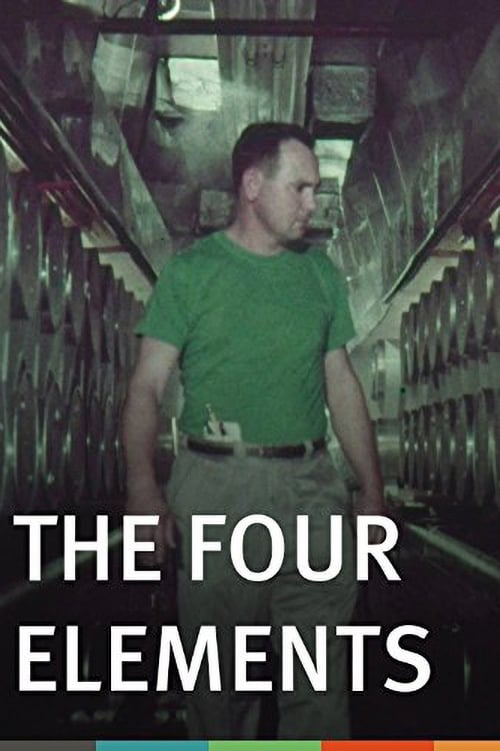
The Four Elements
1966
No user ratings available yet
Representation score: 0.6 out of 10

Representation Score
Minimal
1974
Director
Margaret Tait
Runtime
4 minutes
Average Rating
No ratings yetNew Showbiz Analysis
Aerial is a non-narrative, experimental documentary that prioritizes elemental textures over human subjects. Because the film focuses on air, water, earth, and fire, it lacks the character-driven framework necessary for traditional representation of identity. While the film scores low due to its lack of human cast, it offers a formalist disruption of cinematic hierarchies. Margaret Tait’s avant-garde approach avoids the commercial and social structures typical of mainstream 1970s cinema. Ultimately, the film's diversity is limited by its subject matter. It functions as a secular, sensory exploration of nature rather than a study of human social dynamics.
Category Breakdown
The film lacks characters, dialogue, or interpersonal dynamics. Since it focuses on elemental imagery like air and water, there is no depiction of sexual orientation.
Margaret Tait’s control over the film challenges the male-dominated perspective of 1970s documentary filmmaking. However, the absence of a human cast prevents any active representation of gender identity.
The focus on abstract visual rhythms and elemental textures precludes a human cast. Consequently, there is no racial or ethnic representation within the frame.
The work avoids traditional Western storytelling clichés and moralizing conclusions. It prioritizes sensory experience over structured religious or institutional narratives.
There is no depiction of physical or neurodivergent conditions. The absence of human subjects means disability representation is not present.
Present on Screen
Limited or Absent
Official Synopsis
"Touches on elemental images; air, water, (and snow), earth and fire (and smoke) all come into it." - MT
1966
1983

2020

1929
2016
2016

2004

1992
No reviews yet. Be the first to share your thoughts on this movie!
Use the rating form above to leave a star rating and optional review.