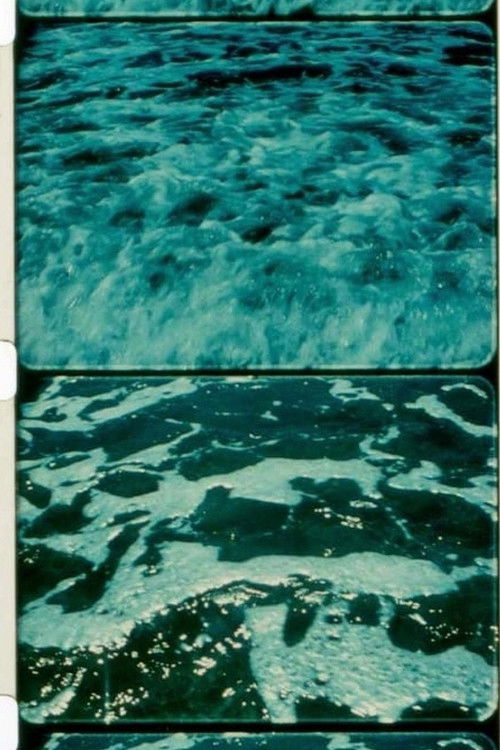
A Child’s Garden and the Serious Sea
1991
No user ratings available yet
Representation score: 7.5 out of 10
Representation Score
Good
1974
Director
Stan Brakhage
Runtime
71 minutes
Average Rating
No ratings yetNew Showbiz Analysis
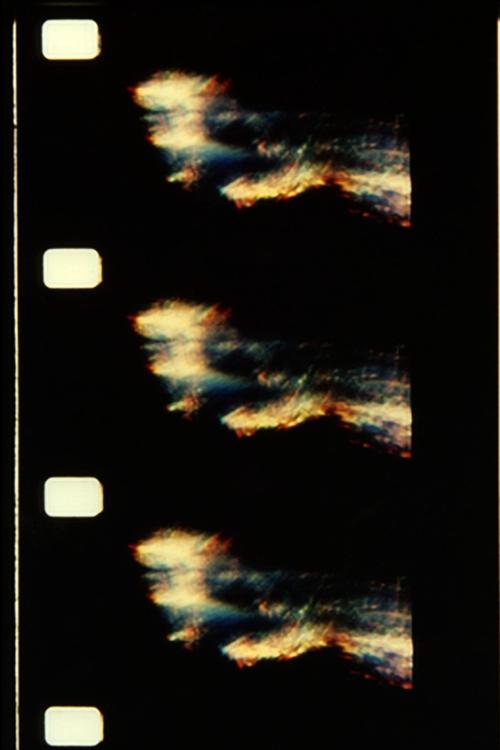
Stan Brakhage’s *The Text of Light* is a formalist exploration of cinema that prioritizes the experience of vision over human narrative. Because the film lacks a human cast, it cannot be evaluated using traditional metrics of identity politics or demographic inclusion. Instead, the work gains significance through its radical subversion of the traditional authoritative camera gaze. By filming through a glass ashtray, Brakhage disrupts the stable, objective reality typically associated with cinema. The fragmented, non-linear experience challenges the viewer’s perception of reality. While the film does not address traditional identity-based representation, it succeeds as an intellectual exercise. It challenges the viewer’s reliance on a stable, objective reality through its focus on light, texture, and refraction.
Category Breakdown
The film does not include any characters or dialogue related to LGBTQ+ themes. Since it focuses on light refraction and does not involve human subjects, it does not engage with sexual orientation or gender identity issues.
The film avoids reinforcing traditional gender roles by not featuring any human subjects. Instead, it operates in a space where gendered roles and power dynamics are absent.
The film uses time-lapse photography of inanimate objects like books and paintings. There is no depiction of racial diversity or specific ethnic representation.
The film emphasizes a spiritual philosophy inspired by Duns Scotus Erigena and William Blake. It challenges conventional Western narrative traditions and the idea of objective truth.
Since the film does not feature human characters, it does not address physical or neurodivergent representation. However, the visual distortions provide a theoretical study of altered perception.
Present on Screen
Limited or Absent
Official Synopsis
Time-lapse photography of books, paintings, reflections, and light falling on textures, shot entirely through a glass ashtray. "'All that is is light.' – Dun Scotus Erigena. 'To see the world in a grain of sand.' – William Blake. These are the primary impulses while working on this film. It is dedicated to Jim Davis who showed me the first spark of refracted film light." - S.B.
1991
1983
1965

1978
1974

1994
1966
1975
No reviews yet. Be the first to share your thoughts on this movie!
Use the rating form above to leave a star rating and optional review.