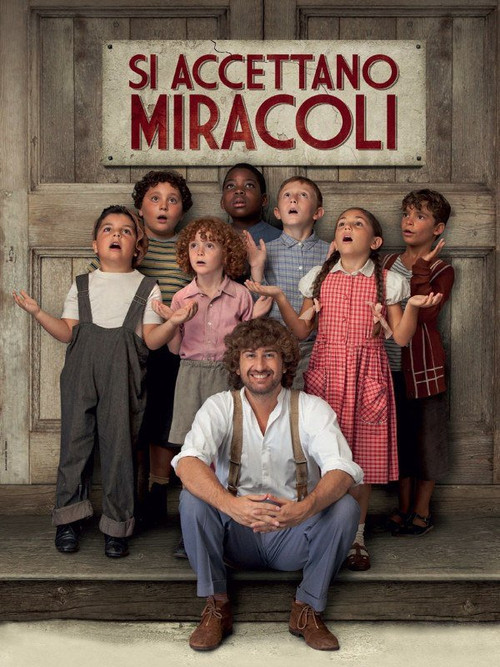
We Accept Miracles
2015
No user ratings available yet
Representation score: 1.9 out of 10

Representation Score
Minimal
2012
Director
Marcus H. Rosenmüller
Runtime
105 minutes
Average Rating
No ratings yetNew Showbiz Analysis
Wer's glaubt wird selig is a culturally specific comedy that prioritizes regional authenticity over diverse representation. The film adheres to established social and religious norms without challenging them. The narrative centers on personal redemption and community stability within a traditional Bavarian context. This localized approach limits the film's scope to its immediate cultural setting. Ultimately, the film serves as a study of a specific Bavarian region, offering limited breadth beyond its local context.
Category Breakdown
The film focuses on traditional heterosexual relationships and domestic life. It does not include any representation of LGBTQ+ identities or critiques of heterosexuality.
The story examines a breakdown in traditional gender roles through a failing relationship. While it touches on male vulnerability, it remains tied to conventional gender expectations.
The cast is primarily made up of people from a specific Bavarian background. The film does not include perspectives from non-white or non-Anglo-Saxon communities, focusing instead on a localized setting.
The narrative incorporates Catholic rituals and canonization as plot devices for economic salvation. It treats religion as a functional element rather than critiquing institutional power structures.
There are no prominent depictions of individuals with disabilities. No characters with disabilities play a significant role in driving the narrative.
Present on Screen
Limited or Absent
Official Synopsis
The snow is staying away from the Bavarian ski village of Haunzenberg, and so are the skiers. Business is failing and so is Georg's relationship with Emilie. During his attempt to reignite the fires of passion, the wooden cross in the next room falls down, crushing Emilie's very Catholic mother Daisy. Wracked with guilt, Georg and his drinking buddies hatch a plan to have Daisy canonized by the Church, hoping to save both the village and his relationship. Everything goes according to plan until the Vatican sends a Priest to examine the miracles of Saint Daisy... Written by Anthony Parkhurst
2015

2006
2018

2023
1986
2011
1972

2014
No reviews yet. Be the first to share your thoughts on this movie!
Use the rating form above to leave a star rating and optional review.