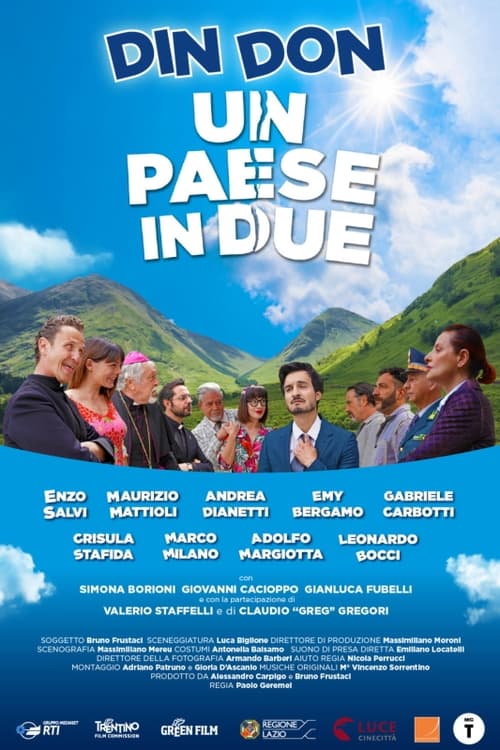
Din Don: Un paese in due
2022
No user ratings available yet
Representation score: 4.3 out of 10
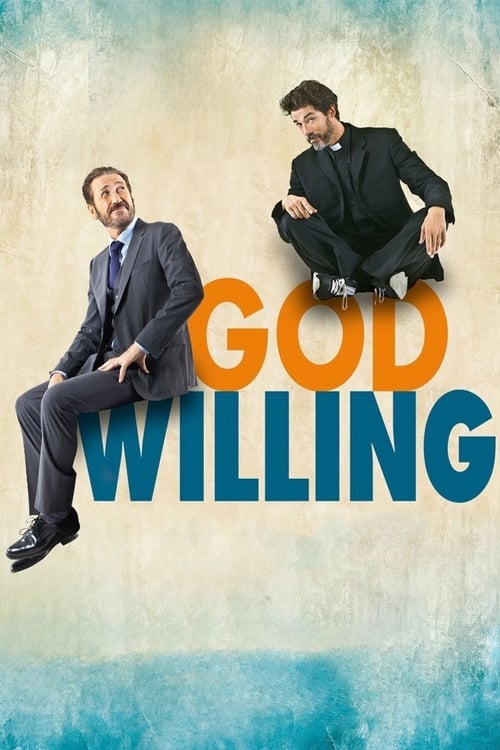
Representation Score
Limited
2015
Director
Edoardo Falcone
Runtime
87 minutes
Average Rating
No ratings yetNew Showbiz Analysis
God Willing is a period character study that emphasizes historical authenticity over broad demographic representation. It captures the social constraints of 1930s Fascist-era Italy, resulting in a predominantly traditional and homogeneous cast. The film's primary strength lies in its intellectual depth, particularly in critiquing institutional power by exploring the tension between personal morality and systemic structures. However, it lacks diverse perspectives on LGBTQ+ identities and multi-ethnic backgrounds.
Category Breakdown
The film focuses on tensions between religious celibacy and romantic attraction, but it does not include any representation of non-binary gender identities or same-sex relationships.
Women's roles are primarily centered around domestic life and church structures. The story follows a male protagonist who navigates masculine authority and paternal expectations.
Set in rural 1930s Italy, the film portrays a homogeneous population focused on socioeconomic differences among peasants rather than ethnic diversity.
The narrative provides a nuanced look at the interaction between the Catholic Church and the Fascist regime. It examines the conflict between personal conscience and state mandates.
The film does not feature any prominent characters with visible or invisible disabilities, nor does it use disability as a central narrative element or plot driver.
Present on Screen
Limited or Absent
Official Synopsis
The son of an atheist, authoritarian father, believed to be liberal, wants to become a priest.
2022
1998
2015

2011

2017
1979
1976
2018
No reviews yet. Be the first to share your thoughts on this movie!
Use the rating form above to leave a star rating and optional review.