The Mattei Affair
1972
No user ratings available yet
Representation score: 2.3 out of 10
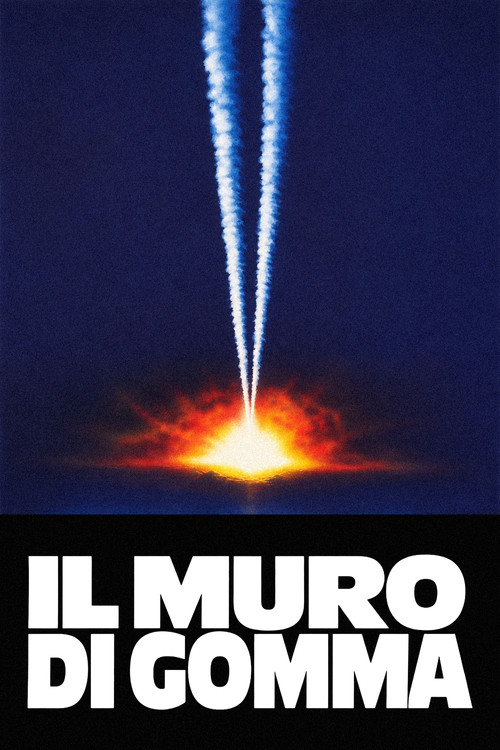
Representation Score
Limited
1991
Director
Marco Risi
Runtime
120 minutes
Average Rating
No ratings yetNew Showbiz Analysis
The film operates as a work of social realism that prioritizes the deconstruction of institutional corruption over demographic representation. It explores the conflict between individual truth and state-sanctioned lies after a plane crash. Though the film scores low in traditional identity-based metrics like race and LGBTQ+ representation, it finds progressive value in its narrative structure. It challenges the integrity of state institutions and encourages a skeptical, investigative attitude toward authority. Ultimately, the film's diversity is found in its socioeconomic critiques rather than ethnic or gender-based intersectionality.
Category Breakdown
The film does not include explicit LGBTQ+ characters or explore non-straight relationships. Its focus is on political investigation and social tensions, leaving no space for queer identity exploration.
The male protagonist drives the story, with women playing supporting roles within the societal norms of the time. The film does not challenge traditional gender roles.
The story centers on Italian society and the Mediterranean identity, with little ethnic diversity. It focuses on the socioeconomic conditions of the Sicilian landscape.
The film effectively critiques Western institutions such as the military and state. It highlights the tension between individual morality and the oppressive state narratives.
There are no characters with visible or invisible disabilities that serve as central plot devices or subjects of representation.
Present on Screen
Limited or Absent
Official Synopsis
June 27, 1980: a DC–9 flying over the Tyrrhenian Sea breaks up mid-air and crashes near the Italian island of Ustica, killing all 81 people on board. The official version blames the "structural failure" of the plane, but a young journalist smells a cover-up and starts to uncover the truth out of the 'invisible wall' of lies built by politicians and air force higher-ups.
1972

2012

1986
1990

2018
1982
2014
1976
No reviews yet. Be the first to share your thoughts on this movie!
Use the rating form above to leave a star rating and optional review.