The Sweet House of Horrors
1989
No user ratings available yet
Representation score: 1.2 out of 10
Representation Score
Minimal
1988
TV-14Director
Tobe Hooper
Runtime
45 minutes
Average Rating
No ratings yetNew Showbiz Analysis
The film presents a standard 1988 suburban horror setup where a police officer fails to legally contain a killer. Ian Patrick Williams leads as the central authority figure, but the rest of the cast is predominantly white. Men handle the legal and violent conflict, while women occupy domestic or victim roles. The plot critiques legal procedure when it fails to protect the community, leading to vigilante action. However, the narrative does not challenge broader social hierarchies or include LGBTQ+ and disability themes. The overall diversity score of 18 reflects this limited representation.
Category Breakdown
No same-sex relationships or queer identities appear in the credits or dialogue. The narrative focuses exclusively on heterosexual family dynamics and police procedure.
Men drive the plot as police officers and lawyers, while women serve as victims or domestic support. Lt. Blocker is the active protagonist, and his wife Sarah remains in the background discussing household concerns.
The cast is predominantly white, reflecting the 1988 suburban setting. Ian Patrick Williams plays Lt. Blocker, a central authority figure, but no other non-white characters are named in the credits or dialogue.
The legal system is portrayed as flawed when it releases the killer due to procedural errors. This failure prompts the community to adopt vigilante justice, framing the law as insufficient for protecting families.
No characters with ongoing disabilities appear in the credits or dialogue. The narrative focuses on physical danger and legal procedure rather than disability experiences.
Present on Screen
Limited or Absent
Official Synopsis
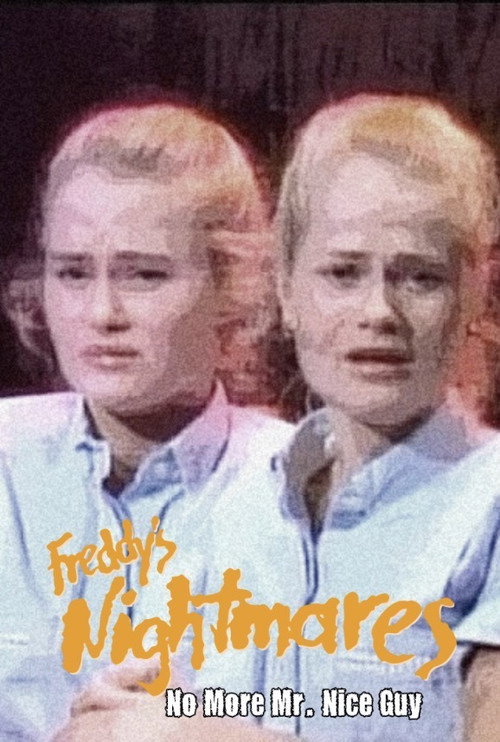
Freddy Krueger has slain many children and teenagers, and is currently on the loose, but after a police officer catches Freddy trying to kill his daughters, Freddy is arrested. During the trial, the judge unfortunately discovers Freddy was never read his rights, so the judge must let him go, but it does not end there.
1989

1985
2007
1986
2000
1988
1988
1988
No reviews yet. Be the first to share your thoughts on this movie!
Use the rating form above to leave a star rating and optional review.