Disneyland - My Good Old Native Country
2000
No user ratings available yet
Representation score: 5.7 out of 10
Representation Score
Excellent
2007
Director
Ulrike Ottinger
Runtime
108 minutes
Average Rating
No ratings yetNew Showbiz Analysis
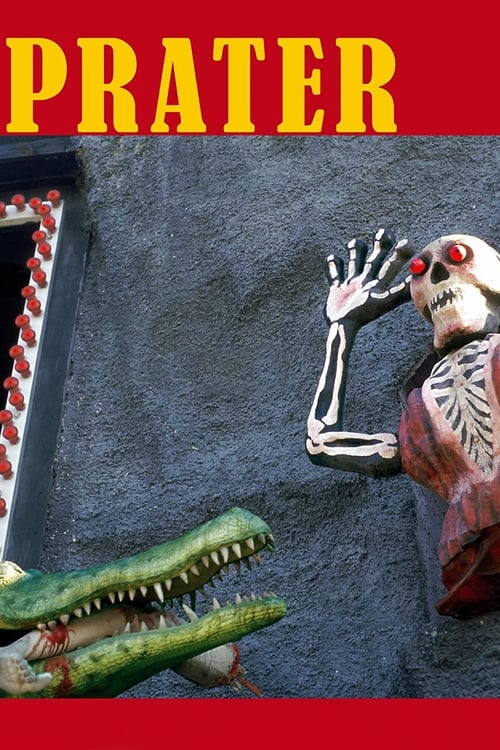
Ulrike Ottinger’s documentary employs a fragmented, multi-vocal structure to avoid a single, authoritative viewpoint. By presenting the Prater as a place where technology and culture intersect, the film explores the interplay between identity and desire. The film stands out for its intellectual depth and its ability to challenge traditional Western institutions. It goes beyond simple observation to create a layered exploration of attractions. While the film offers a rich cultural perspective, its focus on Vienna limits its representation of global racial diversity. Additionally, the absence of explicit disability coverage leaves room for improvement in inclusivity.
Category Breakdown
The film delves into human longing and non-traditional attractions, challenging conventional views on desire. This approach disrupts assumptions about typical relationships and focuses instead on the sensations and emotions involved.
By focusing on the lives of carnival workers and diverse characters, the film challenges traditional gender roles. It emphasizes the importance of the body and personal experience to defy conventional viewing habits.
The inclusion of visitors from various countries hints at a multicultural perspective. However, the film's focus on Vienna might limit the representation of non-Anglo-Saxon cultures.
The film uses intellectual writings, such as those by Elfriede Jelinek, to critique societal norms. It celebrates modernity and personal freedom over rigid, traditional beliefs.
There is no direct mention of disability. However, the portrayal of carnival subcultures may offer insights into people living outside mainstream society.
Present on Screen
Limited or Absent
Official Synopsis
Vienna’s Prater is an amusement park and a desire machine. No mechanical invention, no novel idea or sensational innovation could escape incorporation into the Prater. The diverse story-telling in Ulrike Ottinger’s film “Prater” transforms this place of sensations into a modern cinema of attractions. The Prater’s history from the beginning to the present is told by its protagonists and those who have documented it, including contemporary cinematic images of the Prater, interviews with carnies, commentary by Austrians and visitors from abroad, film quotes, and photographic and written documentary materials. The meaning of the Prater, its status as a place of technological innovation, and its role as a cultural medium are reflected in texts by Elfriede Jelinek, Josef von Sternberg, Erich Kästner and Elias Canetti, as well as in music devoted to this amusement venue throughout the course of its history.
2000
1929
1998

1927
1974
2019
1905
1896
No reviews yet. Be the first to share your thoughts on this movie!
Use the rating form above to leave a star rating and optional review.