
Warriors of the Rainbow: Seediq Bale - Part 2: The Rainbow Bridge
2011
No user ratings available yet
Representation score: 4.0 out of 10
Representation Score
Limited
2019
TV-14Director
Gabriel Robertson
Runtime
109 minutes
Average Rating
No ratings yetNew Showbiz Analysis
Enemy Within stands out by shifting the focus of a historical war drama away from Western perspectives. Instead, it centers on the internal fractures of a multi-ethnic community on Ni'ihau, examining the tension between traditional hospitality and wartime realities. The film's strength lies in its exploration of racial and cultural the way different parts of someone's identity overlap. By highlighting the split between Japanese-descended residents and Native Hawaiians, the story moves beyond simple hero-versus-villain archetypes to examine complex ancestral ties. However, the film lacks representation in other key areas. There is no visible focus on gender, LGBTQ+ identities, or disability, which limits the scope of its social commentary.
Category Breakdown
The film does not include any LGBTQ+ characters or themes related to sexual orientation. There are no characters with non-straight or non-cisgender identities.
The story focuses on ethnic and ancestral conflicts rather than gender dynamics. There is no information about the roles or ability to act of female characters.
The film centers on the intersection of Japanese and Native Hawaiian identities. It challenges Western-centric war clichés by exploring the nuanced complexities of a multi-ethnic society.
The narrative explores how global geopolitics affect local Hawaiian social structures. It avoids binary morality by framing conflict through conflicting loyalties and systemic tension.
There is no evidence of characters with physical or neurodivergent disabilities. The synopsis does not address disability representation.
Present on Screen
Limited or Absent
Official Synopsis
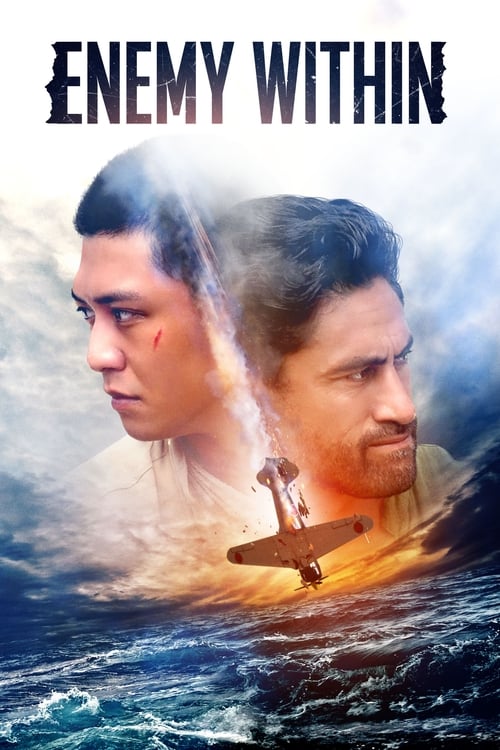
When a Japanese pilot crash-lands on the tiny remote Hawaiian island of Ni'ihau, he is met with courtesy and traditional Hawaiian hospitality from the locals - until they discover he was part of the recent attack on Pearl Harbor. Soon the community is split between those of Japanese ancestry who support the pilot and those of Hawaiian ancestry who oppose them.
2011

1983
2019
1950
2017
1968

2014
1945
No reviews yet. Be the first to share your thoughts on this movie!
Use the rating form above to leave a star rating and optional review.