
China Doll
1958
No user ratings available yet
Representation score: 3.0 out of 10
Representation Score
Fair
2017
RDirector
Bille August
Runtime
97 minutes
Average Rating
No ratings yetNew Showbiz Analysis
The film stands out by reversing the traditional wartime rescuer dynamic. Instead of a Western hero saving the day, the local Chinese widow becomes the primary provider of safety and strategy for the American commander. While the narrative lacks LGBTQ+ or disability representation, it offers a strong post-colonial critique. It moves away from idealized Western heroism to focus on the localized, high-stakes moral complexities faced by those living under occupation. By centering Crystal Liu’s character, the film provides a nuanced look at female strength and cross-cultural the way different parts of someone's identity overlap in a historical setting.
Category Breakdown
The film focuses on a relationship between the American commander and the Chinese widow, which is centered around the assumption that everyone is straight or cisgender. There are no characters with non-cisgender identities.
Ying is portrayed as a capable protector and strategist, subverting the traditional damsel in distress cliché by playing a significant role in driving the story. She is not a passive character but actively influences the plot.
The story explores the interactions between different racial backgrounds through an interracial connection. It shifts the focus away from Anglo-centric wartime narratives by placing a Western protagonist within a Chinese socio-political context.
The film highlights the tension between foreign military forces and local survival strategies. It frames the conflict through the lens of systemic survival against occupying forces.
There is no significant evidence regarding the portrayal of physical or neurodivergent disabilities within the character descriptions.
Present on Screen
Limited or Absent
Official Synopsis
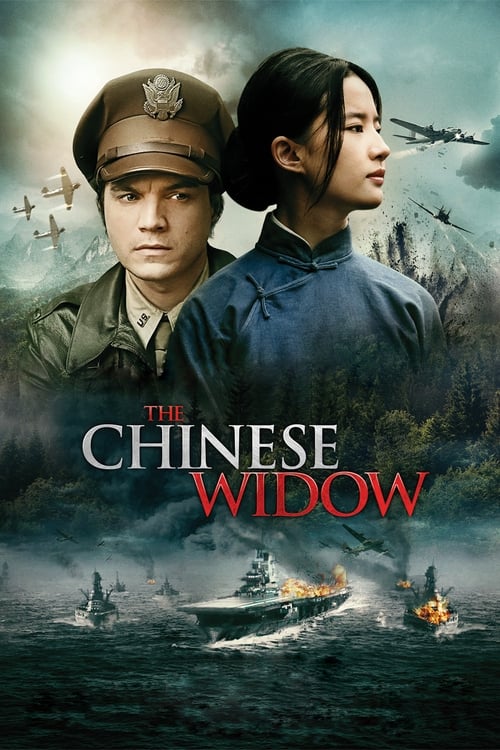
It’s 1941 and the Japanese attack on Pearl Harbor has destroyed America’s morale. The US President Franklin D. Roosevelt then decides to risk it all by bombing Tokyo and raise more hope for his citizens. After completing its mission, a unit of the US Air Force is forced to make an emergency landing in China. Its commander Jack Turner (Emilie Hirsch) barely survives but gets rescued by Ying (Crystal Liu), a local widow who will stop at nothing to hide him from the Japanese occupant.
1958
2009

2011
2008

1987

2001
2003

2015
No reviews yet. Be the first to share your thoughts on this movie!
Use the rating form above to leave a star rating and optional review.