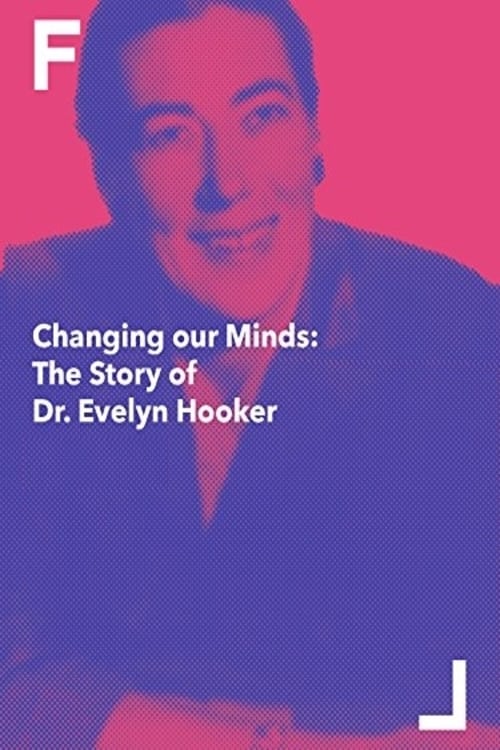
Changing Our Minds: The Story of Dr. Evelyn Hooker
1992
No user ratings available yet
Representation score: 8.9 out of 10
Representation Score
Excellent
2020
Director
Patrick Sammon, Bennett Singer
Runtime
80 minutes
Average Rating
No ratings yetNew Showbiz Analysis
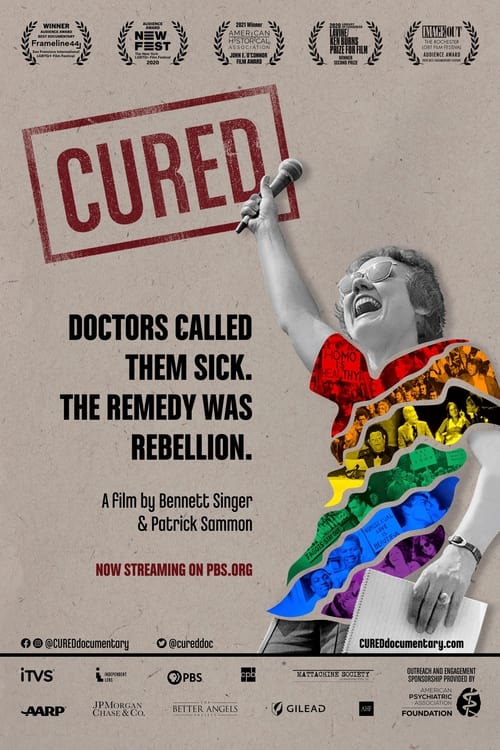
Cured is a highly intentional work of historical revisionism that shifts the perspective from institutional authority to the ability to act of underrepresented people. It successfully disrupts conventional medical histories by centering the voices of those who fought against systemic oppression. The film excels in its portrayal of LGBTQ+ activists as agents of change rather than passive subjects of medical scrutiny. By reframing the fight for equality as a battle against pathologization, it provides a powerful look at the struggle for psychological autonomy. While the film is strong in its cultural and identity-based critiques, it offers less specific detail regarding racial diversity. This limits its impact in the racial and ethnic category despite its overall progressive framework.
Category Breakdown
The film focuses on LGBTQ+ activists who challenged the psychiatric establishment, highlighting their role in fighting against the pathologization of queer identities by medical institutions.
The narrative emphasizes the multi-layered struggles of women within mid-20th-century activist movements, showcasing their central roles in shaping social change and political resistance.
The documentary acknowledges the systemic barriers faced by various groups during the era of activism. However, it lacks specific detail about the breadth of racial diversity within the featured groups.
The film critiques Western medical and psychiatric institutions as tools of systemic oppression, prioritizing the liberation of identity over the preservation of traditional societal structures.
The documentary examines how psychiatry used 'mental illness' labels to marginalize specific demographics, reframing the struggle for autonomy against the power dynamics of defining normalcy.
Present on Screen
Limited or Absent
Official Synopsis
Mentally ill. Deviant. Diseased. And in need of a cure. These were among the terms psychiatrists used to describe gay women and men in the 1950s, 1960s, and early 1970s. And as long as they were “sick”, progress toward equality was impossible. This documentary chronicles the battle waged by a small group of activists who declared war against a formidable institution – and won a crucial victory in the modern movement for LGBTQIA+ equality.
1992
1984
2005

2021
2002

2017
2011
1996
No reviews yet. Be the first to share your thoughts on this movie!
Use the rating form above to leave a star rating and optional review.