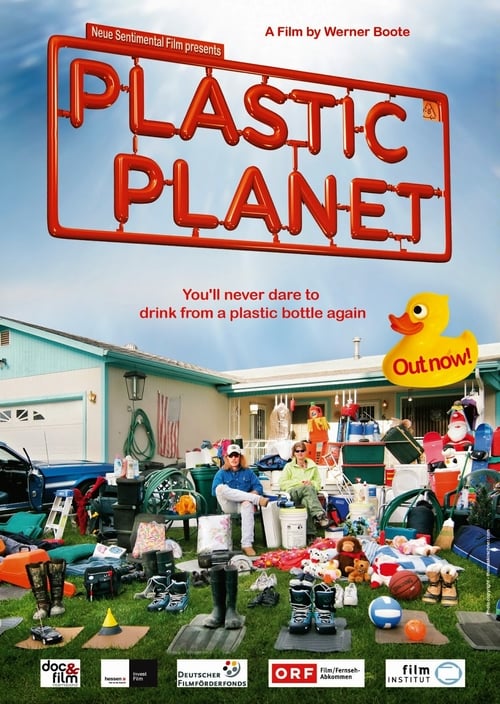
Plastic Planet
2009
No user ratings available yet
Representation score: 5.0 out of 10
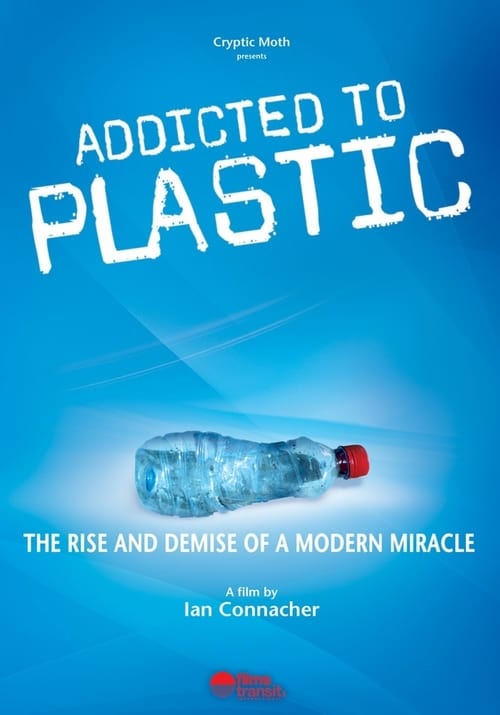
Representation Score
Limited
2008
Director
Ian Connacher
Runtime
85 minutes
Average Rating
No ratings yetNew Showbiz Analysis
Addicted to Plastic is an ecological critique rather than a character-driven narrative. It prioritizes the systemic interrogation of global consumerism and the environmental consequences of industrial expansion over social identity representation. The film's strength lies in its broad, global scope and its challenge to traditional narratives of technological progress. It frames the rise of synthetics as a systemic cost to the planet. However, the documentary lacks explicit representation of LGBTQ+ identities, gendered social roles, or specific racial perspectives.
Category Breakdown
The documentary focuses on environmental science and industrial history. There are no visible LGBTQ+ characters or themes related to gender identity.
The film centers on material science and ecological impact. It does not provide evidence regarding the portrayal of gendered social roles or hierarchies.
The film addresses the worldwide scope of pollution, suggesting a global perspective. However, it is unclear if the narrative highlights specific underrepresented communities.
The narrative challenges Western notions of unending progress by critiquing industrial capitalism. It frames synthetic ubiquity as a systemic cost of modern success.
The mention of artificial organs suggests a link to biological intervention. It remains unconfirmed if these are explored through the lens of individuals' ability to make decisions.
Present on Screen
Limited or Absent
Official Synopsis
Reveals the history and worldwide scope of plastics pollution, investigates its toxicity and explores solutions. From styrofoam cups to artificial organs, plastics are perhaps the most ubiquitous and versatile material ever invented. No invention in the past 100 years has had more influence and presence than synthetics. But such progress has had a cost.
2009
2015
2019
2007
2002
2010
2016
2009
No reviews yet. Be the first to share your thoughts on this movie!
Use the rating form above to leave a star rating and optional review.