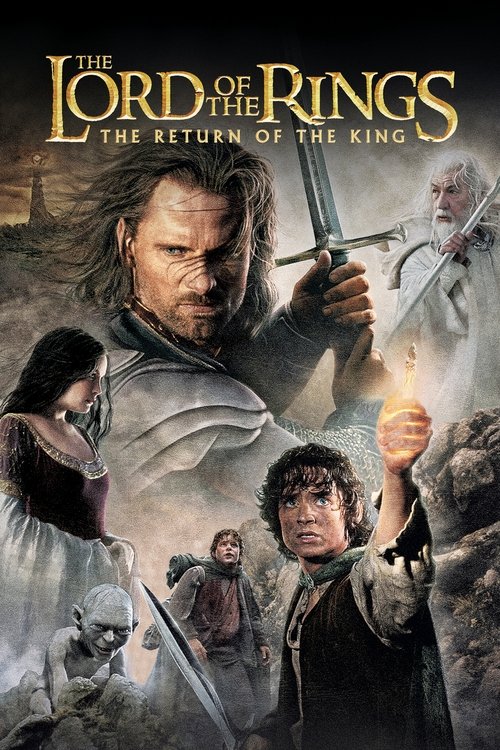
The Lord of the Rings: The Return of the King
2003
No user ratings available yet
Representation score: 4.1 out of 10
Representation Score
Fair
2002
PG-13Director
Peter Jackson
Runtime
179 minutes
Average Rating
No ratings yetNew Showbiz Analysis
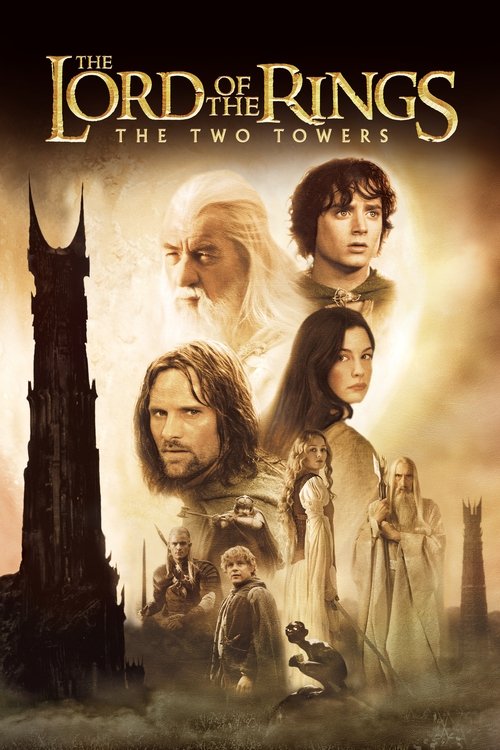
The Two Towers presents a world where competence determines survival. Éowyn refuses to be a shield and rides into battle. The film treats her competence as the kingdom’s salvation, not a deviation. Saruman’s factories burn the forest while his king is drugged by a whisperer. The camera loves the rural, the wild, and the woman who acts. The closing image is a fortress held by those who rejected passive obedience.
Category Breakdown
No same-sex intimacy or non-binary characters appear in the film. The narrative focuses entirely on heterosexual pairings and male bonds. Romantic subtext is absent from the primary character dynamics.
Éowyn rejects domestic confinement and asserts military competence. The film treats her action as the kingdom’s salvation, not a deviation. Female characters remain secondary to the male quest narratives.
The human cast is exclusively white. Non-human races carry the thematic weight of diversity. No on-screen racial variation exists among the principal human characters.
Saruman’s industrial expansion is framed as ecological destruction. The camera loves the rural and the wild. Théoden’s susceptibility to manipulation exposes hierarchical fragility within the kingdom.
No disabled characters with lasting impairment are depicted. Physical limitations are temporary or magical in nature. The narrative does not explore chronic disability or accessibility.
Present on Screen
Limited or Absent
Official Synopsis
Frodo Baggins and the other members of the Fellowship continue on their sacred quest to destroy the One Ring--but on separate paths. Their destinies lie at two towers--Orthanc Tower in Isengard, where the corrupt wizard Saruman awaits, and Sauron's fortress at Barad-dur, deep within the dark lands of Mordor.
2003

1978
2001
1958
2013
1973

2012
2007
No reviews yet. Be the first to share your thoughts on this movie!
Use the rating form above to leave a star rating and optional review.