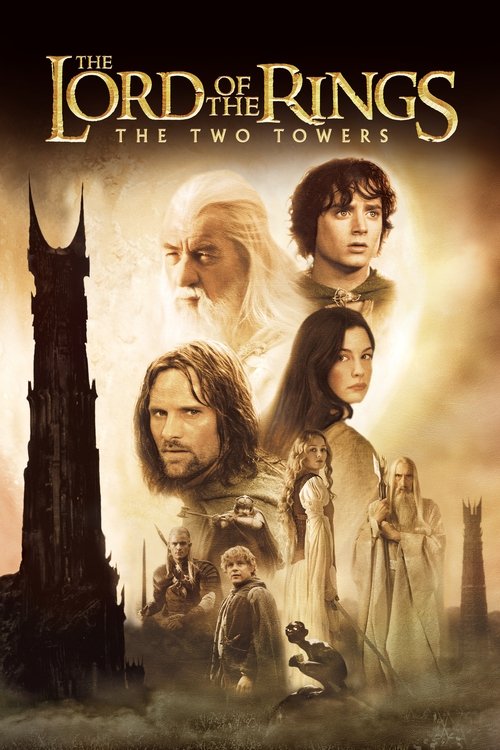
The Lord of the Rings: The Two Towers
2002
No user ratings available yet
Representation score: 5.4 out of 10
Representation Score
Limited
2003
PG-13Director
Peter Jackson
Runtime
201 minutes
Average Rating
No ratings yetNew Showbiz Analysis
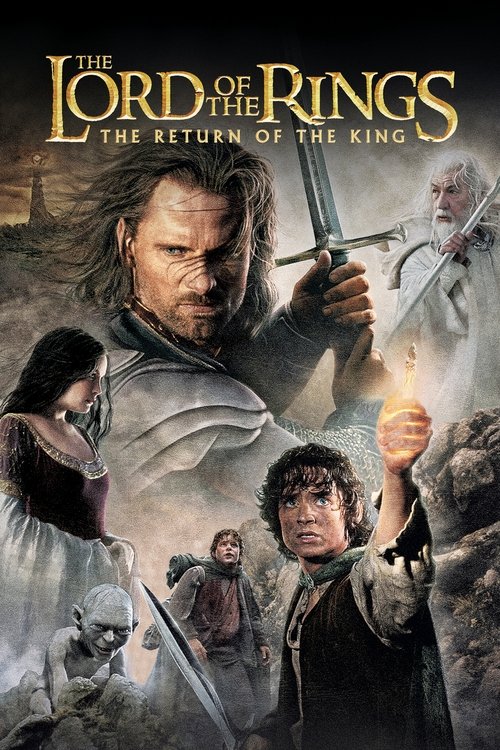
The Return of the King restores the throne and the hearth. Aragorn is crowned, Arwen bears his son, and the Shire rebuilds. The film treats monarchy, faith, and family as the cure for chaos. Éowyn’s sword and Arwen’s choice add depth, but the closing image is a wedding and a newborn. The small people win, but the old order returns.
Category Breakdown
No same-sex couples or non-binary characters appear. All romantic pairings shown are heterosexual, including Aragorn and Arwen, and Faramir and Éowyn. The film contains no dialogue addressing gender identity or sexual orientation.
Éowyn rejects her role as a passive healer to kill the Witch-king, asserting her agency in battle. Arwen chooses mortality over immortality to stay with Aragorn, framing her sacrifice as noble. The narrative centers male warriors, while women serve as moral anchors or romantic prizes within a traditional hierarchy.
The cast is overwhelmingly white, reflecting the source material’s European fantasy setting. Non-white actors are absent from principal roles. The film depicts a homogeneous world where racial difference is not a narrative focus or source of conflict.
Traditional institutions like monarchy and family are treated as restorative and good. Aragorn’s coronation and the birth of his son signal the return of order. Christian allegory is central, with Aragorn as a Christ-figure and the destruction of the Ring as a moral victory.
Gollum is portrayed as physically and mentally deformed by the Ring, serving as a cautionary figure. His impairment is linked to his obsession and eventual death. No characters with lasting physical or cognitive disabilities are depicted as having normal, unremarkable lives.
Present on Screen
Limited or Absent
Official Synopsis
As armies mass for a final battle that will decide the fate of the world--and powerful, ancient forces of Light and Dark compete to determine the outcome--one member of the Fellowship of the Ring is revealed as the noble heir to the throne of the Kings of Men. Yet, the sole hope for triumph over evil lies with a brave hobbit, Frodo, who, accompanied by his loyal friend Sam and the hideous, wretched Gollum, ventures deep into the very dark heart of Mordor on his seemingly impossible quest to destroy the Ring of Power.
2002

1978
2001
2000
2013
2007
2012
1984
No reviews yet. Be the first to share your thoughts on this movie!
Use the rating form above to leave a star rating and optional review.