
Reap the Wild Wind
1942
No user ratings available yet
Representation score: 0.4 out of 10
Representation Score
Limited
1952
ApprovedDirector
Jerry Hopper
Runtime
90 minutes
Average Rating
No ratings yetNew Showbiz Analysis
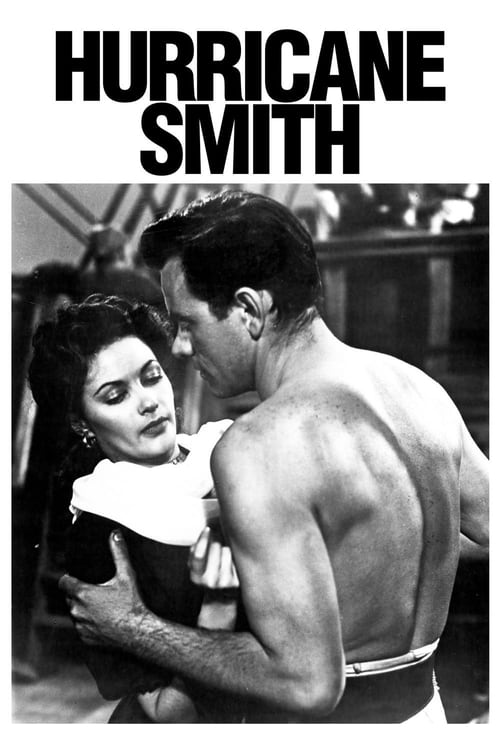
Hurricane Smith is a period-typical adventure film that highlights its most progressive aspects in its portrayal of gender. The female lead exhibits a level of independence that contrasts with the restrictive social norms of the 1950s. However, the film remains tied to traditional Western storytelling conventions. It lacks the depth and systemic critique needed to transcend the limitations of its time. The South Pacific setting introduces a non-Western backdrop, but the narrative relies on 'exotic other' stereotypes rather than offering authentic cultural representation.
Category Breakdown
The film does not include any LGBTQ+ characters or explore non-straight relationships. All romantic tensions are focused on traditional heterosexual pairings.
Dorothy Lamour’s character breaks down 1950s gender norms by being independent and spirited. She sets the terms for her own romantic and social interactions, propelling the plot forward.
The South Pacific setting features Pacific Islander characters, but the film leans heavily on 'exotic other' stereotypes. Narrative control stays with the traveling protagonists.
The story follows a conventional Western adventure format. It emphasizes romantic heroism without critiquing Western institutions or power structures.
The film does not depict any visible or invisible disabilities. Characters are defined by their roles in the adventure and romance.
Present on Screen
Limited or Absent
Official Synopsis
South Sea freebooters fight for hidden treasure and the love of the beautiful Luana.
1942
1950

1945

1940

1945
1935

1954

1963
No reviews yet. Be the first to share your thoughts on this movie!
Use the rating form above to leave a star rating and optional review.