
Ouran High School Host Club
2012
No user ratings available yet
Representation score: 5.5 out of 10
Representation Score
Excellent
2014
Director
Taisuke Kawamura
Runtime
126 minutes
Average Rating
No ratings yetNew Showbiz Analysis
Princess Jellyfish is a subversive comedy that deconstructs rigid societal expectations. By focusing on characters who exist outside mainstream norms, the film provides a meaningful critique of traditional gender roles. Kuranosuke's gender-nonconforming presence stands out as a powerful challenge to conventional binaries. However, the film's scope is culturally narrow, lacking racial and ethnic diversity. Despite its strong thematic work on gender, it remains focused on a homogeneous urban demographic. Ultimately, the film celebrates niche subcultures and non-traditional lifestyles as authentic, transforming niche obsessions into sources of ability to act.
Category Breakdown
Kuranosuke Koibuchi's gender-nonconforming presentation challenges traditional gender binaries through fashion and mannerisms. He serves as a symbol of fluidity within the narrative, defying conventional expectations.
The film challenges traditional gender roles by reimagining masculinity through Kuranosuke, who prioritizes empathy and sensitivity over dominance. Female protagonists reclaim ability to act by embracing their unique identities.
As a culturally specific Japanese production set in Tokyo, the cast remains homogeneous. The film focuses on internal social dynamics within a specific urban demographic rather than exploring multi-layered racial identities.
The story celebrates unconventional lifestyles as authentic, critiquing social conformity by prioritizing individual passion over institutionalized standards. It positions fringe cultures as genuine expressions of identity.
Characters with high social anxiety and intense fixations drive the plot through their specialized knowledge, avoiding treatment as objects of pity.
Present on Screen
Limited or Absent
Official Synopsis
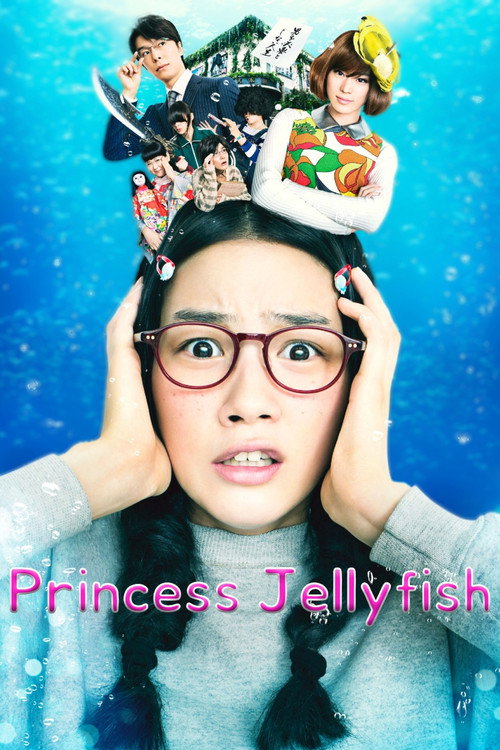
Plain, timid and obsessed with jellyfish, Tsukimi is a far cry from her idea of a princess. Her tepid life as a jobless illustrator comes complete with roommates who harbor diehard hobbies that solidify their status as hopeless social rejects. These wallflowers run a tight, nun-like ship, but their no-men-allowed-not-no-one-not-no-how bubble is unwittingly burst after Tsukimi brings home a rescued sea jelly and a beauty queen... who's actually a guy. When the threat of losing their cozy convent inspires this glamour boy to turn the neurotic entourage into a portrait of success, will Tsukimi take her chance to bloom, or will she end up a hot mess?
2012

2014

2014

2019

2020

2014

2007

2012
No reviews yet. Be the first to share your thoughts on this movie!
Use the rating form above to leave a star rating and optional review.