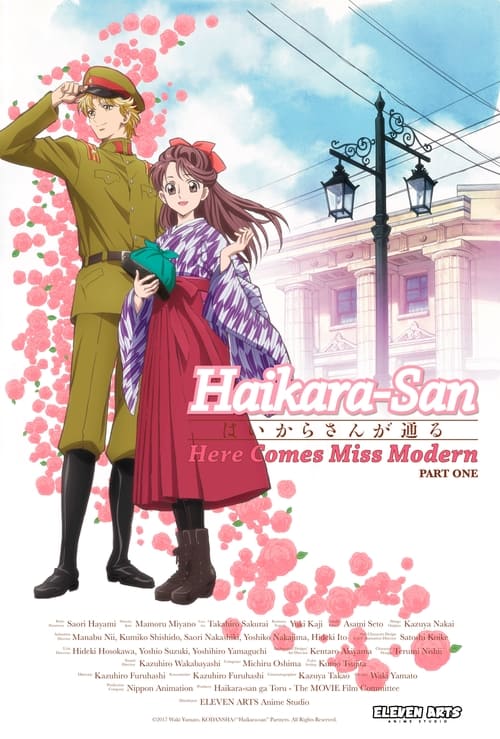
Haikara-san: Here Comes Miss Modern Part 1
2017
No user ratings available yet
Representation score: 4.7 out of 10
Representation Score
Fair
2004
Director
Tetsuya Nakashima
Runtime
102 minutes
Average Rating
No ratings yetNew Showbiz Analysis
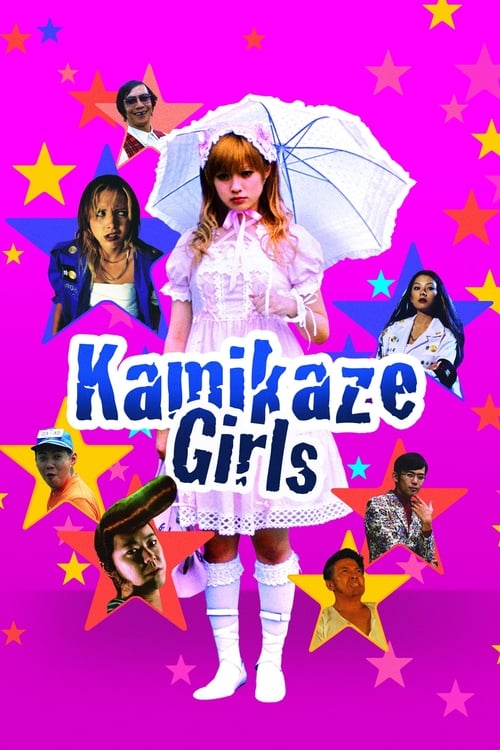
Kamikaze Girls is a stylized exploration of identity that challenges traditional gender norms. By pairing a hyper-feminine Lolita enthusiast with a hyper-masculine delinquent, the film deconstructs the binary of 'proper' femininity and gives its female leads significant influence over the plot. The film effectively portrays social outsiders, using subcultural identity to critique the pressures of Japanese conformity. This focus on niche identities offers a meaningful look at personal liberation against restrictive societal expectations. However, the film remains culturally homogeneous, lacking racial or ethnic diversity. While it explores 'otherness' through style and behavior, it does not engage with broader perspectives on diversity.
Category Breakdown
The film centers on a strong, obsessive relationship between two women that challenges typical social expectations. Although it doesn't show explicit romantic or sexual interactions, the bond is crucial to the emotional core of the story.
The story breaks traditional gender roles by focusing on women with extreme, unconventional identities. These characters have significant influence over the plot, driven by their own desires rather than responding to men.
Set in a specific Japanese context, the film features a predominantly homogeneous cast. It explores 'otherness' through subcultural identity rather than through diverse racial backgrounds.
The story criticizes social conformity and traditional institutions by highlighting characters who exist outside mainstream norms. Their anti-social behaviors are framed as expressions of personal freedom.
There are no prominent depictions of visible or invisible disabilities that serve as central narrative drivers in this film.
Present on Screen
Limited or Absent
Official Synopsis
Momoko, a strange and seemingly emotionless girl obsessed with 18th century France, befriends a Yanki biker and the two experience the ups and downs of their unusual lives in a rural Japanese town.
2017
2004

2014

2004
2008

2015
2012
2022
No reviews yet. Be the first to share your thoughts on this movie!
Use the rating form above to leave a star rating and optional review.