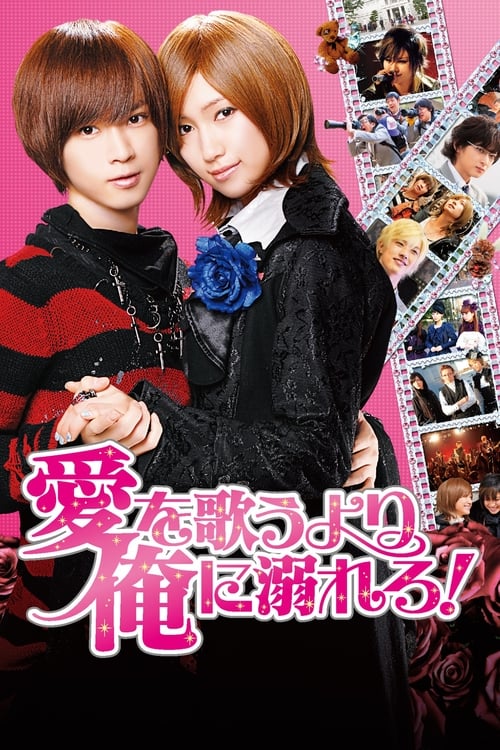
Be Crazy About Me
2012
No user ratings available yet
Representation score: 5.9 out of 10
Representation Score
Fair
2012
Director
Satoshi Kan
Runtime
105 minutes
Average Rating
No ratings yetNew Showbiz Analysis
The film skillfully dismantles social hierarchies and gender norms. It effectively challenges traditional gender roles through Haruhi's disregard for conventional gender expectations and the male characters' emphasis on emotional labor. However, the narrative is confined to a single Japanese cultural context, lacking diverse ethnic representation. Ultimately, the film offers a progressive critique of class structures and gender binaries while adhering to romantic comedy conventions.
Category Breakdown
The film uses the bishōnen aesthetic to blend masculine and feminine visuals. Though there is no direct depiction of same-sex intimacy, the unconventional portrayal of masculinity allows for interpretations that include queer themes.
Haruhi Fujioka challenges gender norms by focusing on personal development rather than societal roles. The male host club members defy traditional stereotypes by emphasizing emotional expression and appearance maintenance.
The story unfolds in a homogeneous, elite Japanese educational environment. The narrative emphasizes internal social distinctions without addressing ethnic diversity.
The storyline criticizes excessive consumerism and the isolation of the wealthy elite. Haruhi's practical, middle-class perspective contrasts with the school's formal high-society customs.
There are no significant portrayals of physical or cognitive disabilities that play a key role in the plot or character development.
Present on Screen
Limited or Absent
Official Synopsis
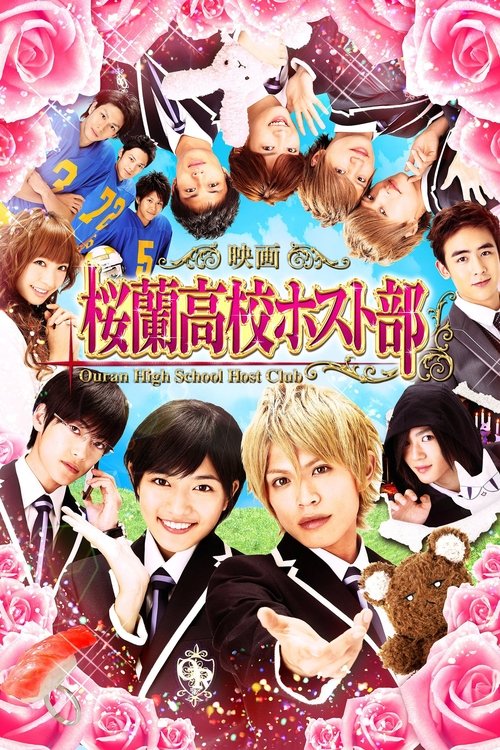
Ouran Academy is a prestigious school with most students coming from wealthy families. One of the few students who comes from a modest background is Haruhi Fujioka (Haruna Kawaguchi). Through unexpected circumstances, Haruhi Fujioka ends up joining the male "host club," while hiding her gender. Friendship and love grows between Haruhi Fujioka and the male "host club" members.
2012
2010
2014
2022
2019
2017
2014
2020
No reviews yet. Be the first to share your thoughts on this movie!
Use the rating form above to leave a star rating and optional review.