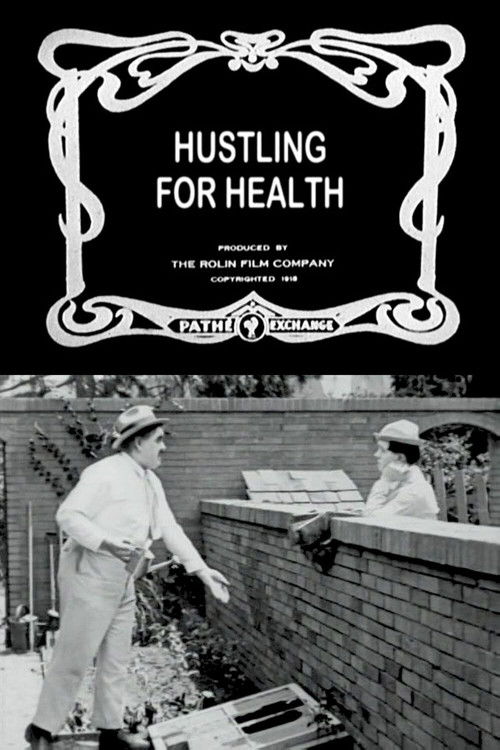
Hustling for Health
1919
No user ratings available yet
Representation score: 3.5 out of 10

Representation Score
Minimal
1919
NRDirector
Harold Lloyd, Frank Terry
Runtime
10 minutes
Average Rating
No ratings yetNew Showbiz Analysis
Just Neighbors is a period-specific artifact of silent slapstick that prioritizes physical situational comedy over social complexity. The narrative structure relies on traditional domestic archetypes and the maintenance of suburban order. The film adheres to the era's standard social baselines, focusing on middle-class property and conventional neighborly interactions. It lacks intentionality regarding disrupting systemic hierarchies or including diverse identities. Ultimately, the work functions as a localized comedy of errors rather than a vehicle for characters who reflect more than one aspect of diversity or cultural critique.
Category Breakdown
The film does not include any LGBTQ+ characters or representations of non-straight relationships. The narrative revolves around typical early 20th-century suburban life.
Gender roles in the film are traditional, with men engaged in manual labor and women involved in household duties such as laundry. There is no indication of challenging gender hierarchies.
The film likely reflects the homogeneous demographics typical of early American cinema, depicting white, middle-class domesticity as the norm.
The story centers on property preservation and suburban stability. It does not critique Western institutions but instead presents a localized comedy of errors.
There is no information regarding the depiction of physical or neurodivergent disabilities in this work.
Present on Screen
Limited or Absent
Official Synopsis
Suburban neighbors join together to build a garden shed, but through carelessness, wind up ruining the garden, as well as the laundry, which is drying in the yard.
1919
1948
1951
1907

1934

1915
1927
1915
No reviews yet. Be the first to share your thoughts on this movie!
Use the rating form above to leave a star rating and optional review.