Fairways and Foul
1929
No user ratings available yet
Representation score: 0.8 out of 10
Representation Score
Minimal
1928
PassedDirector
James Parrott
Runtime
20 minutes
Average Rating
No ratings yetNew Showbiz Analysis
This 1928 comedy reflects the social and demographic norms of its time. It uses established slapstick humor that reinforces the status quo rather than disrupting traditional norms. The narrative centers on domestic conflicts and middle-class social settings. While it includes a moment where a woman exerts authority, it fails to provide deeper insights into systemic power dynamics or meaningful representation for underrepresented groups.
Category Breakdown
The film follows the conventions of the silent era and does not include any queer narratives or non-cisgender identities.
The story revolves around traditional gender roles and romantic pursuits. A wife asserts authority by kicking the men out, while the film relies on typical clichés of clumsy male protagonists.
The film reflects the homogeneous casting standards of early Hollywood. It lacks a diverse cast, focusing on a standard Anglo-Saxon demographic.
The story emphasizes middle-class social norms and leisure activities like golf. It reinforces the social structures of the 1920s without challenging them.
There is no information available regarding the portrayal of physical or neurodivergent characters in this production.
Present on Screen
Limited or Absent
Official Synopsis
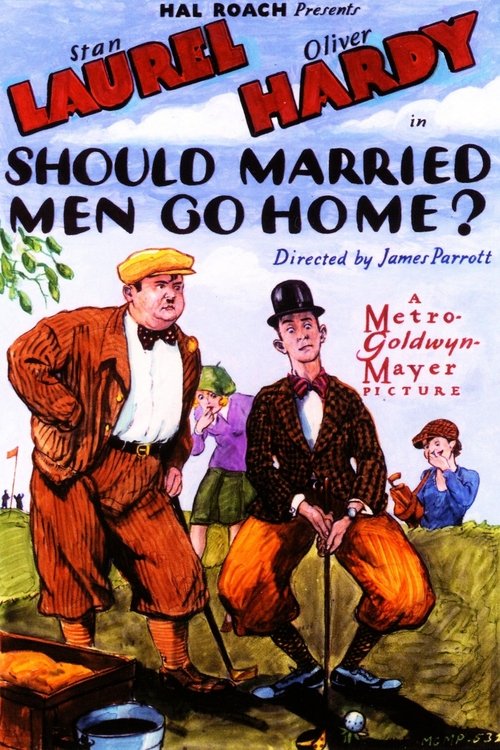
Mrs. Hardy throws Ollie and Stan out of the house. They try to impress two young ladies at a golf course and end up fighting with other golfers.
1929
1933
1928
1929
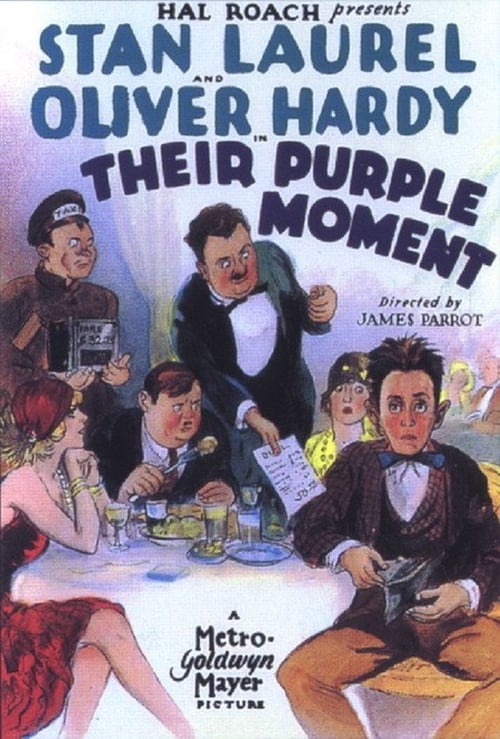
1928
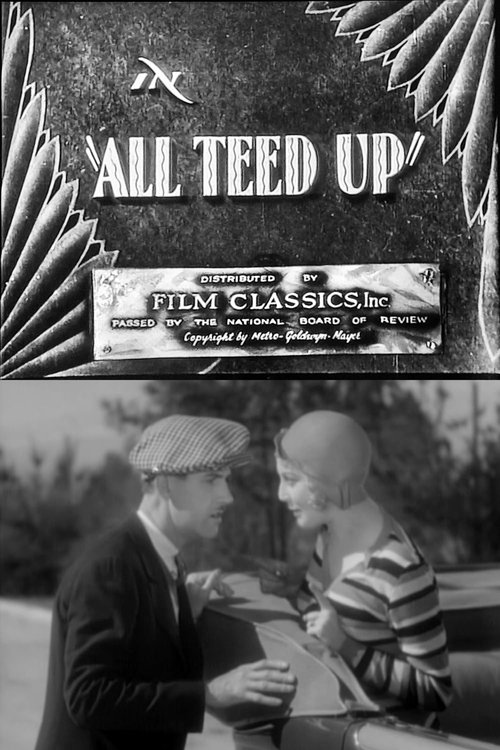
1930
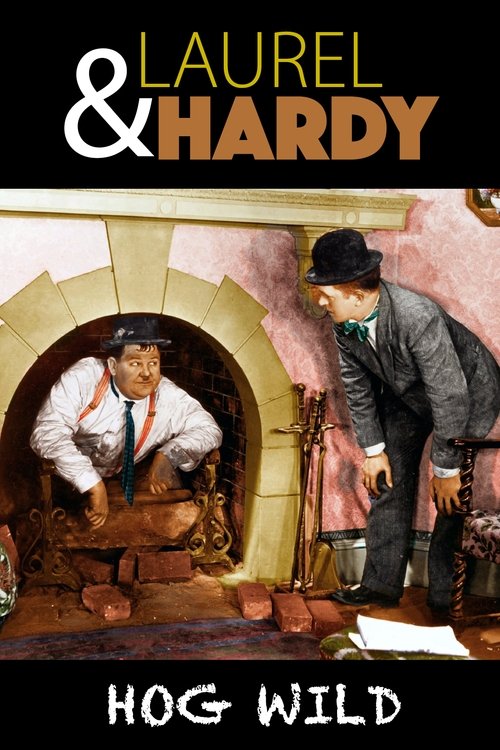
1930
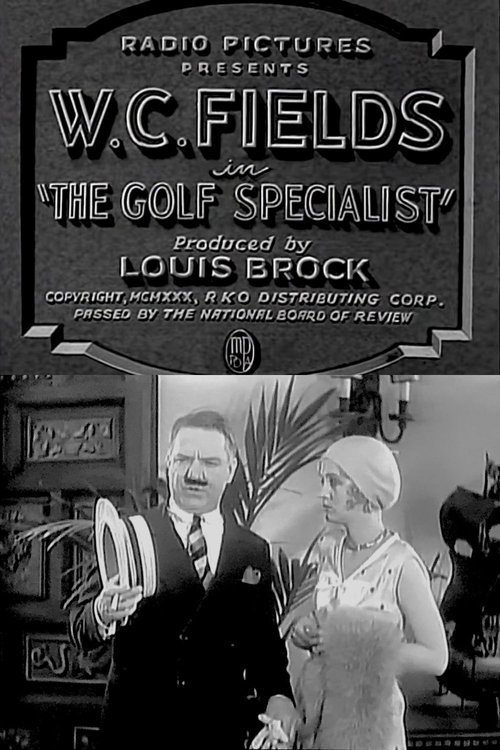
1930
No reviews yet. Be the first to share your thoughts on this movie!
Use the rating form above to leave a star rating and optional review.