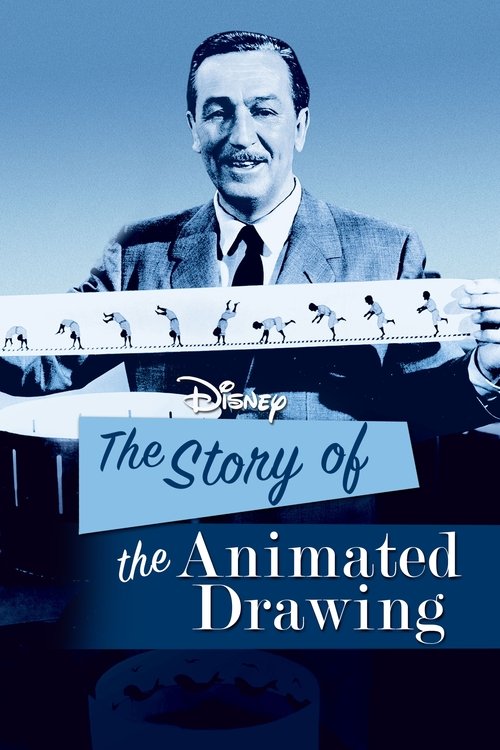
The Story of the Animated Drawing
1955
No user ratings available yet
Representation score: 0.5 out of 10
Representation Score
Minimal
1956
NRDirector
William Beaudine
Runtime
60 minutes
Average Rating
No ratings yetNew Showbiz Analysis
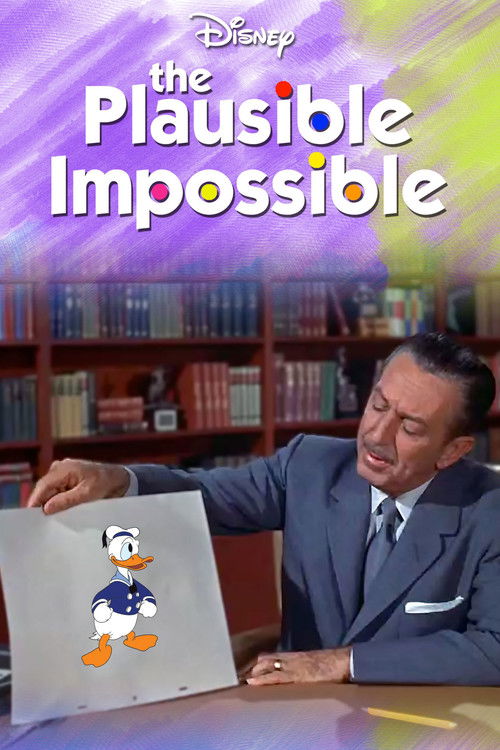
The film opens with Walt Disney in his studio, framing animation not as mere entertainment but as a disciplined science of "plausible impossibility." This sets the tone for a documentary that treats Western technological rationality as the ultimate arbiter of truth. The camera lingers on clean laboratories, confident male engineers, and sleek models, selling a vision where progress is seamless, benevolent, and inherently American. The historical examples—Egyptian gods, Chinese dragons—are used to validate the animator’s craft, positioning Western science as the modern heir to ancient myth-making. The sold meaning is clear: corporate innovation is the engine of human salvation, and skepticism is a failure of imagination. The film’s internal logic supports this by presenting the future as a linear extension of current corporate order, with no friction or cost. The last image, a static view of a futuristic city bathed in blue light, rewards optimism and punishes doubt by framing it as an inability to see the "plausible." In the context of 1956, this is a quintessential expression of Cold War-era faith in American industrial capability, where the "impossible" is tamed by white, Western science. The film is a hymn to progress, but it is a hymn that only sings for those already inside the system.
Category Breakdown
No LGBTQ+ characters or relationships appear. Identity is absent from the animation techniques and historical examples presented in this 1956 documentary.
Walt Disney is the sole on-screen presenter, establishing male authority. Female presence is restricted to animated clips like Snow White, lacking individual agency or narrative weight.
On-screen personnel are entirely white. Non-white cultures appear only as historical artifacts, such as Egyptian or Greek art, serving as context for animation principles.
The film frames Western technological progress as the natural, benevolent path forward. Faith in American industrial capability is the default moral stance, with no critique of social costs.
No characters with disabilities appear on screen. The human body is depicted only as a vessel for movement or labor within animation and industrial work contexts.
Present on Screen
Limited or Absent
Official Synopsis
Walt Disney explains some of the techniques of animation, and includes for the first time the pencil test footage of the "Soup Eating Sequence" from Snow White and the Seven Dwarfs. Walt references a book called "The Art of Animation" which shows a technique that is used in animated cartoons that dates back to the ancient Egyptians and Greeks.
1955
1941
1956
2007
2006
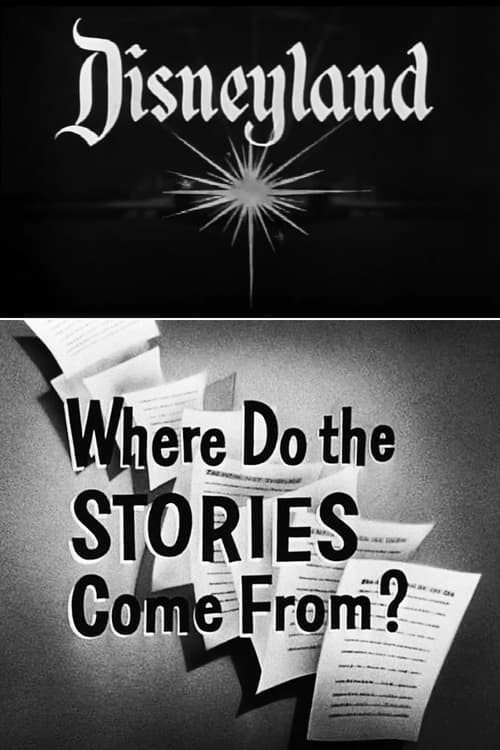
1956
1995
2015
No reviews yet. Be the first to share your thoughts on this movie!
Use the rating form above to leave a star rating and optional review.