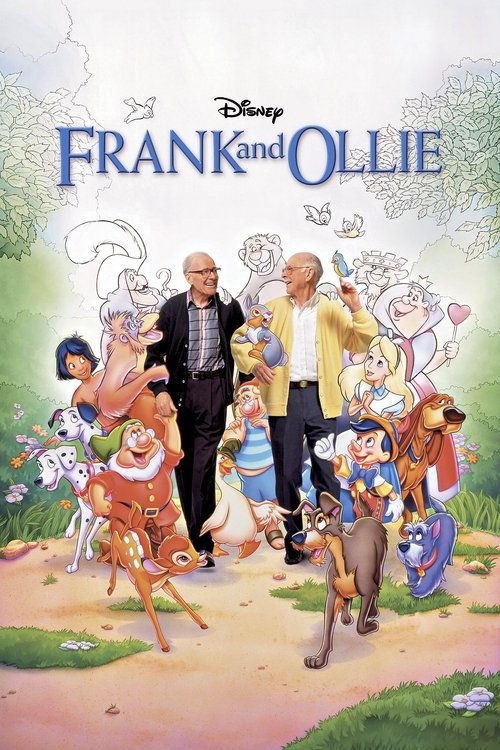
Frank and Ollie
1995
No user ratings available yet
Representation score: 0.3 out of 10
Representation Score
Minimal
2006
Director
Samuel Doux
Runtime
45 minutes
Average Rating
No ratings yetNew Showbiz Analysis
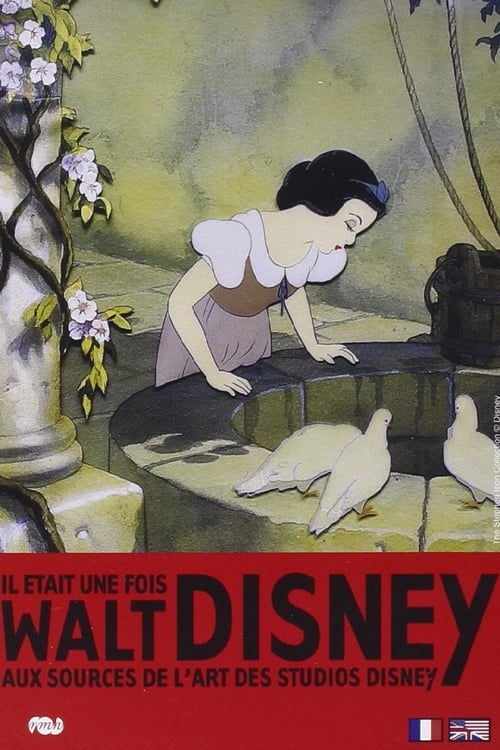
This documentary provides a formalist examination of the artistic origins and visual language of the Disney studio. It prioritizes the evolution of animation aesthetics and technical mastery over sociopolitical commentary. The film functions as a traditional historical survey of a major Western institution. Because the objective is to analyze iconographical sources, the narrative does not prioritize diverse representation or challenge established hierarchies. Consequently, the work reflects the historical era it studies, focusing on the legacy of male-dominated leadership and the cultural archetypes of mid-20th-century Western animation.
Category Breakdown
The documentary focuses on the technical and iconographical history of the Disney studio. It does not address non-straight identities or challenge assumptions about everyone being straight.
The narrative centers on male creators and traditional leadership roles. It follows historical accounts that prioritize male founders and designers.
The film examines visual clichés and cultural archetypes from the studio's early days. It reflects the homogeneous perspectives prevalent in mid-20th-century Western animation.
The film celebrates Western cinematic achievement and the legacy of a major media pillar. It does not critique the broader implications of these cultural exports.
There is no evidence regarding the portrayal of neurodivergence or physical disabilities within this historical survey.
Present on Screen
Limited or Absent
Official Synopsis
Talks about the iconographical sources that Walt Disney and his studio's designers drew on to create the films that are incontestably among the masterpieces of animation.
1995

2009
1956

2013
2008
2007
2001
2004
No reviews yet. Be the first to share your thoughts on this movie!
Use the rating form above to leave a star rating and optional review.