Soo
2007
No user ratings available yet
Representation score: 2.8 out of 10
Representation Score
Limited
2012
Director
Dain Said
Runtime
97 minutes
Average Rating
No ratings yetNew Showbiz Analysis
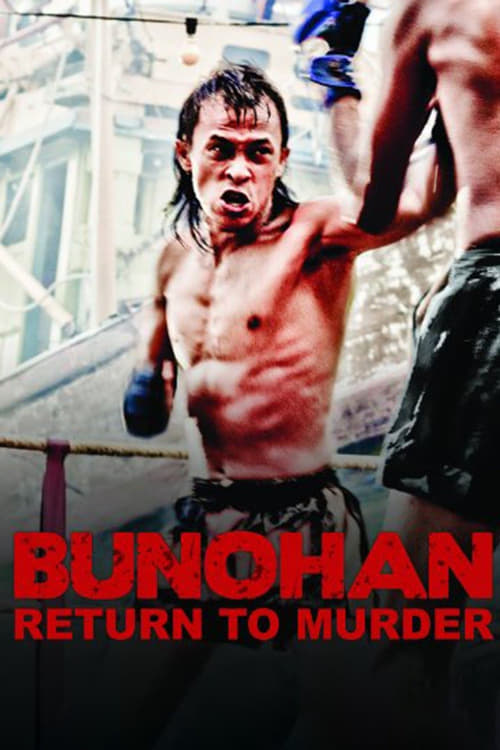
Bunohan stands out as a regional cinema masterpiece that challenges Western storytelling norms through magical realism and post-colonial themes. Its strength lies in its deep engagement with Kelantanese culture and folklore. However, the film’s heavy focus on masculinity limits its gender and LGBTQ+ representation.
Category Breakdown
The film focuses on masculine archetypes and brotherhood. There are no LGBTQ+ characters or non-straight relationships.
The movie is centered around male characters dealing with guilt and violence. It lacks strong female roles or stories driven by women.
The film showcases a predominantly Malay cast and emphasizes local folklore and indigenous myths. It highlights Southeast Asian identities.
The story blends moral ambiguity with local spiritual beliefs and animism. It avoids singular religious doctrines or Western moral standards.
There are no prominent characters with disabilities that drive the narrative or serve as central arcs.
Present on Screen
Limited or Absent
Official Synopsis
3 brother return to the village of Bunohan with three very different reasons; they will encounter death, deceit and a very grim revelation.
2007
2009

2004
2006
2005
2017
2015

2000
No reviews yet. Be the first to share your thoughts on this movie!
Use the rating form above to leave a star rating and optional review.