
The Bag Man
2014
No user ratings available yet
Diversity score: 2.3 out of 10
2017
Not RatedDirector
Chris Baugh
Runtime
99 minutes
Average Rating
No ratings yetSynopsis
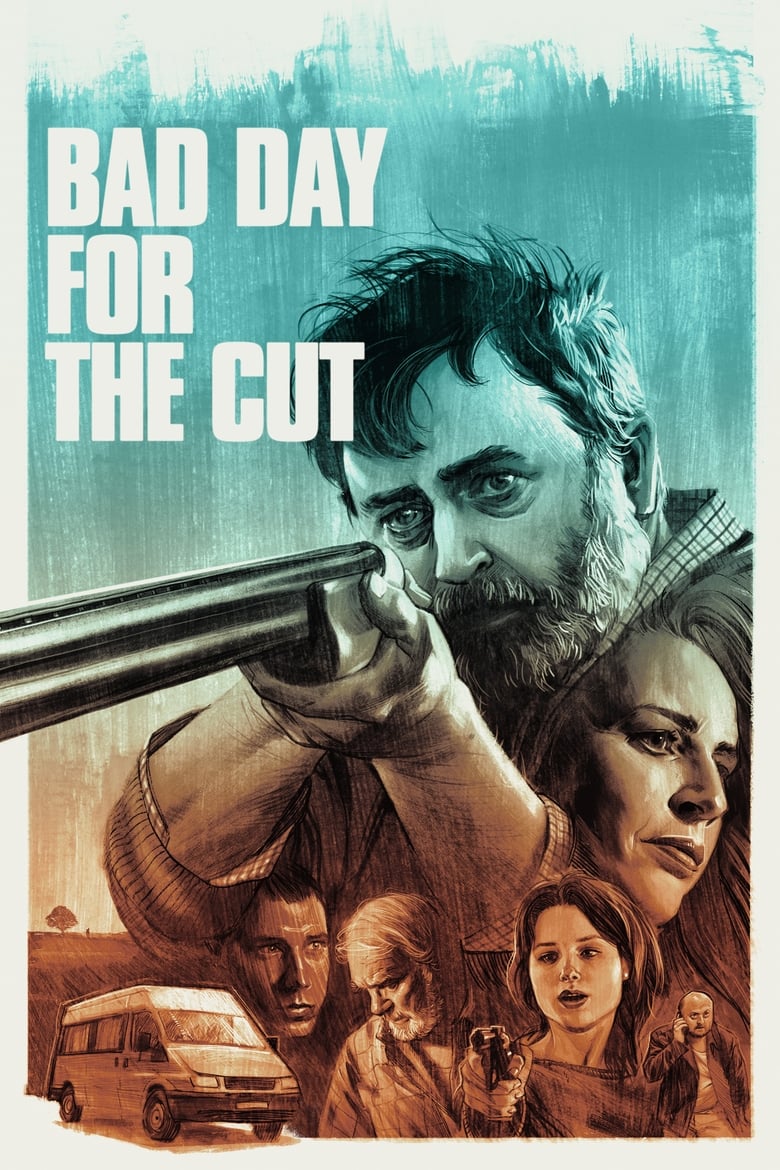
A middle-aged Irish farmer, who still lives at home with his mother, sets off on a mission of revenge when the old lady is murdered.
Overall Score
Limited
Category Breakdown
LGBTQ+ Representation
The film contains no LGBTQ+ characters or explorations of non-heteronormative identities. It adheres strictly to the social constraints of its period setting.
Gender Representation
Mary provides meaningful representation by serving as the primary driver of the plot. Her high agency in a violent environment challenges traditional Western genre hierarchies.
Racial & Ethnic Diversity
The cast is predominantly white, reflecting the historical setting of the early 20th-century American West. The narrative lacks diverse ethnic perspectives or color-blind casting.
Religious & Cultural Diversity
The story focuses on the lawless nature of the frontier and individual survival. It does not actively critique Western institutions or promote specific secularist ideologies.
Disability Representation
There are no prominent depictions of visible or invisible disabilities. No such traits serve as central character elements or plot drivers.
Strengths
Areas for Improvement
AI Analysis
Bad Day for the Cut functions as a character-driven neo-Western that subverts genre expectations through its lead character. By centering the narrative on Mary's survivalist trajectory, the film disrupts the traditional male archetype often found in frontier stories. However, the film's demographic breadth is limited by its historical framework. The visual and social landscape remains largely homogeneous, lacking significant racial or LGBTQ+ representation. Ultimately, the film prioritizes narrative tension and gendered agency over broad intersectionality. It succeeds as a study of female resilience within a restrictive, period-specific setting.
2014

2013
2002

2007
2009

2020

2014

2004

2000

2016
2018

2007
No reviews yet. Be the first to share your thoughts on this movie!
Use the rating form above to leave a star rating and optional review.