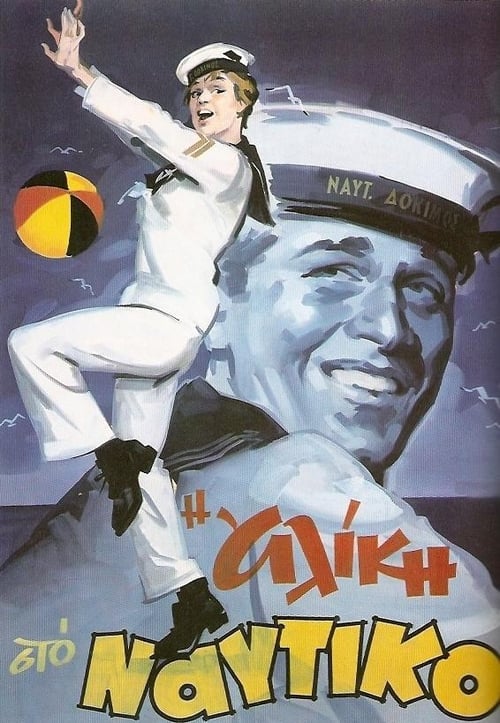
Alice in the Navy
1961
No user ratings available yet
Representation score: 1.1 out of 10
Representation Score
Limited
1963
Director
Dinos Katsouridis
Runtime
80 minutes
Average Rating
No ratings yetNew Showbiz Analysis
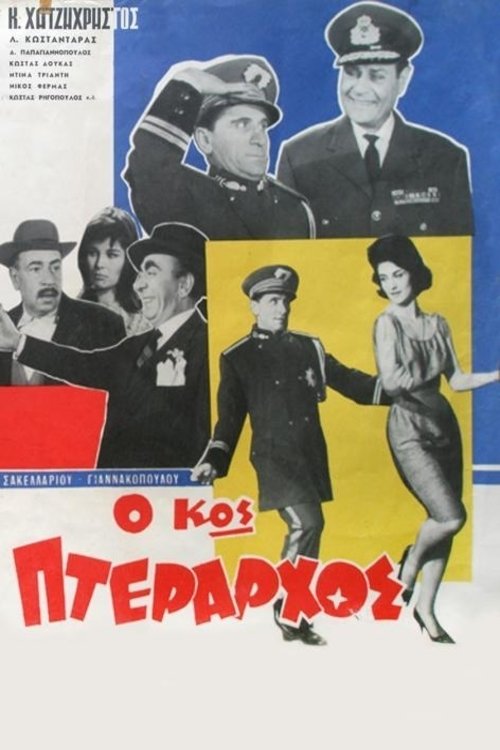
Mr. Wing Commander is a product of the Golden Age of Greek cinema, functioning as a traditional social comedy. It relies heavily on mid-century clichés, particularly class-based misunderstandings and romantic entanglements. The film captures the friction between rural traditions and urban modernization, yet it remains firmly rooted in the social archetypes of its time. It emphasizes national and local identity over multi-layered or progressive representation. Ultimately, the work serves as a historical window into 1960s Greek social tensions rather than a tool for disrupting established social or gender hierarchies.
Category Breakdown
The film follows the social norms of 1960s Mediterranean cinema, focusing on traditional heterosexual relationships without any LGBTQ+ characters or narratives.
Gender dynamics adhere to conventional patterns where the female protagonist influences male actions. While the film avoids overt misogyny, it does not challenge traditional gender hierarchies.
The cast is ethnically uniform, reflecting the localized Greek context of the era. The narrative does not address multi-layered racial dynamics or non-local diversity.
The story examines tensions between village life and state-driven modernization. However, the comedy reinforces traditional social hierarchies through mistaken identity rather than challenging them.
There is no documented evidence of the portrayal of physical or neurodivergent disabilities within the narrative.
Present on Screen
Limited or Absent
Official Synopsis
Sotiris, the president of Ano Latini, goes to Athens to get information about the project of expropriation for the construction of a military airport in the village. Dimitroula, president's daughter, is in love with Vangelis, an aircraftsman, who serves his duty in Athens. When Vangelis learns that a wealthy villager asked to marry his girlfriend, he goes to the village with his friend Kanellos, to find out what's happening. Kanellos is a naive hotel concierge who wears a fancy uniform, making everyone in the village believe that he is a Wing Commander.
1961
1964
1964
1952
1959
1964

1961
1964
No reviews yet. Be the first to share your thoughts on this movie!
Use the rating form above to leave a star rating and optional review.