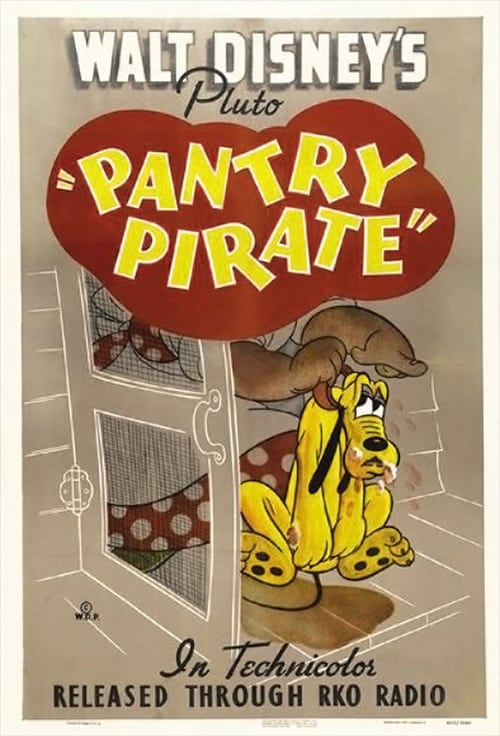
Pantry Pirate
1940
No user ratings available yet
Diversity score: 1.0 out of 10
1940
NRDirector
Clyde Geronimi
Runtime
8 minutes
Average Rating
No ratings yetSynopsis
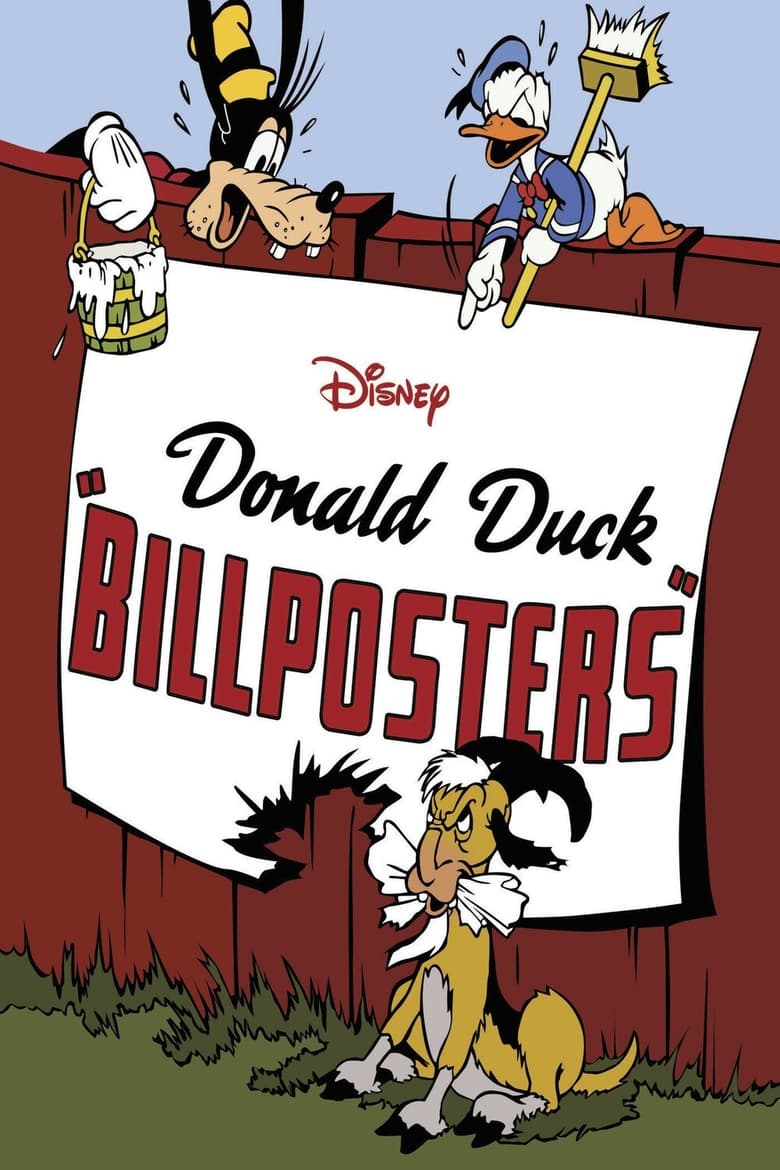
Donald and Goofy are putting up advertising posters in a farm. Goofy prepares to post on a windmill, but his tools keep disappearing and reappearing on the windmill blades. Donald puts up his posters, a picture of a soup can, and a goat eats them immediately. Goofy gets stuck to his poster after it comes around on the windmill. Donald, being his calm, even-tempered self, gets into a battle with the goat.
Overall Score
Minimal
Category Breakdown
LGBTQ+ Representation
The short focuses entirely on physical comedy between Donald and Goofy. There are no depictions of non-heteronormative identities or same-sex intimacy.
Gender Representation
The narrative centers on male-coded characters performing manual labor. A lack of female presence prevents any subversion of traditional gender hierarchies.
Racial & Ethnic Diversity
The cast consists of homogeneous anthropomorphic characters in a rural setting. There is no visible racial or ethnic diversity present.
Religious & Cultural Diversity
The film follows a traditional Western comedic framework centered on situational conflict. It avoids complex ethical or systemic cultural dilemmas.
Disability Representation
Physical mishaps are used strictly as slapstick tropes. These moments serve kinetic energy rather than providing meaningful depictions of disability or neurodivergence.
Strengths
Areas for Improvement
AI Analysis
Billposters is a quintessential example of 1940s slapstick animation, prioritizing physical timing and character-driven comedy over social depth. The film relies on established archetypes, focusing on the frustration of manual labor and the chaos caused by a goat. While technically proficient, the work lacks intentionality regarding social representation. The characters exist within a narrow, male-centric comedic space that reflects the era's standard narrative frameworks. Ultimately, the short functions as a localized, situational comedy. It does not engage with systemic critiques or diverse identities, remaining firmly rooted in the period's traditional animation tropes.
1940
1942
1941
1943
1942
1955
1940
1940
1939
1937
1950
1941
No reviews yet. Be the first to share your thoughts on this movie!
Use the rating form above to leave a star rating and optional review.