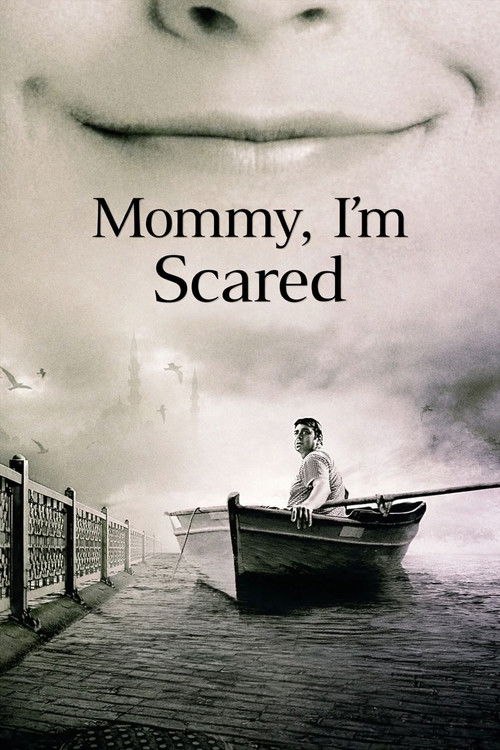
Mommy, I'm Scared
2006
No user ratings available yet
Representation score: 8.0 out of 10

Representation Score
Good
2006
Not RatedDirector
Reha Erdem
Runtime
111 minutes
Average Rating
No ratings yetNew Showbiz Analysis
Times and Winds is a character-driven study that prioritizes the ability to act of youth navigating oppressive social landscapes. It succeeds in deconstructing traditional hierarchies, particularly regarding religious and paternal authority. The film's strength lies in its ability to frame the family unit as a source of tension rather than stability. By focusing on the psychological friction within a underrepresented rural community, it offers a sophisticated critique of rigid social codes. However, the narrative lacks explicit representation of LGBTQ+ identities and provides no information regarding disability. While it challenges patriarchal structures, the exploration of identity remains largely centered on the friction within existing social norms.
Category Breakdown
The film delves into the complexities of intimacy and the disruption of social norms through youthful discovery. However, it does not explicitly depict non-cisgender identities.
The narrative challenges patriarchal hierarchies by highlighting the friction between gendered expectations and personal autonomy. Characters like Yıldız navigate the heavy burdens of domesticity and social roles.
Set in a remote, impoverished village, the story centers on a non-Western, localized community. It provides a nuanced look at the lived experiences of a underrepresented, rural population.
The film critiques traditional institutions by portraying the family and religious authority as sources of psychological distress. It frames rebellion against these structures as a valid response to oppression.
There is no evidence regarding the portrayal of physical or neurodivergent disabilities in this work.
Present on Screen
Limited or Absent
Official Synopsis
In a small, poor village leaning over high rocky mountains, the villagers are simple and diligent people who struggle to cope with a harsh nature. They earn their living off the earth and a few animals they feed. Fathers always prefer one of their sons. Mothers command their daughters ruthlessly. Ömer, the son of the imam, wishes hopelessly for the death of his father. When he understands that wishful thinking does not have any concrete results, he begins to search for childish ways to kill his father. Yakup is in love with his teacher, and one day after seeing his father spying on the teacher he dreams too, like Ömer, of killing his father. Yıldız studies and tries to manage the household chores imposed by her mother. She learns with irritation about the secrets of the relationship between men and women.
2006
2016
2009

1997
2019
1973
2008

2015
No reviews yet. Be the first to share your thoughts on this movie!
Use the rating form above to leave a star rating and optional review.